
INDUSTRIAL NEEDLE-PUNCHED NONWOVENS
Industrial Needle-Punched Nonwovens
Explore material routes for automotive interiors, furniture and bedding, synthetic leather, footwear, filtration and specialty converting. Component position, downstream processing and trial acceptance define the brief; a generic nonwoven name is not a finished-product qualification.
10material families
22family / type records
15application briefs
13source documents
THE PLATFORM AT A GLANCE01 02 03 04
Start with the finished component and your converting process.
Cutting, forming, bonding, coating, impregnation or sewing process
Mass, thickness, stiffness, airflow and tolerance targets
Trial method, sample identification and acceptance criteria
01 / MATERIAL RANGE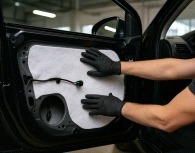
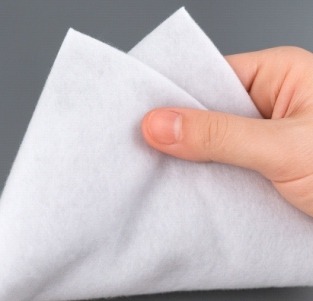
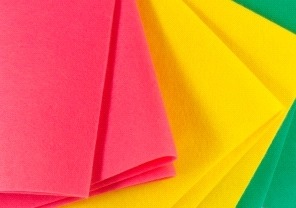
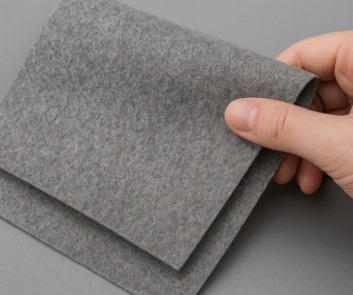
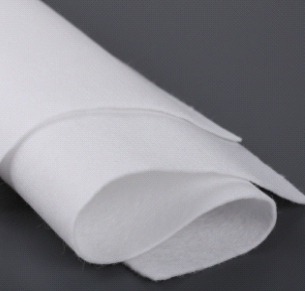
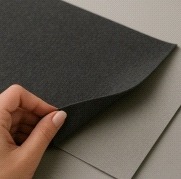
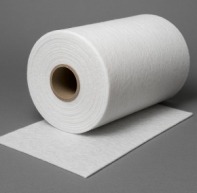
Know what belongs in this platform.
01 / MATERIAL FAMILY
Automotive Needle-Punched Nonwovens
Develop needle-punched nonwoven layers for automotive trim and interior components. Compare material construction with forming, lamination and component-specific acoustic, emission and mechanical requirements.
Review construction, references & conditions ↗02 / MATERIAL FAMILY
Furniture & Upholstery Nonwovens
Choose furniture nonwovens by component duty: rigid support, bottom covering or spring separation. Compare hardfelt, base fabric and spring-pocket fabric before agreeing the material specification.
Review construction, references & conditions ↗03 / MATERIAL FAMILY
Synthetic Leather & Footwear Substrates
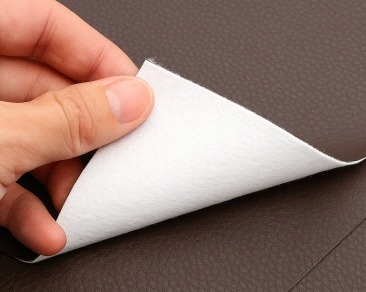
Find needle-punched substrates for synthetic-leather coating and footwear support. Separate coating-base requirements from shoe-board stiffness and flexing requirements before selecting a material route.
Review construction, references & conditions ↗04 / MATERIAL FAMILY
Industrial Filtration & Custom Felts
Define the air, dust or liquid filtration task before choosing needle-punched media. Compare the challenge material, flow, pressure drop and compatibility requirements of the proposed construction.
Review construction, references & conditions ↗05 / MATERIAL FAMILY
Needle-Punched Apparel Interlining
Choose needle-punched interlining around the garment shape, drape and pressing process. Review stiffness, stitching, laundering and dimensional stability in a representative garment component.
Review construction, references & conditions ↗06 / MATERIAL FAMILY
Cleaning Nonwoven Fabric
Compare needle-punched wiping fabric for household, industrial and automotive cleaning. Match absorption, wet strength, lint release and surface sensitivity to the intended cleaning task.
Review construction, references & conditions ↗07 / MATERIAL FAMILY
Nonwoven Fabric for Tote Bags
Develop needle-punched fabric for reusable totes and branded packaging. Define bag dimensions, carried load, seams and print process before comparing fabric weight and finish.
Review construction, references & conditions ↗08 / MATERIAL FAMILY
Nonwoven Substrates for Healthcare Product Development
Discuss needle-punched substrates for healthcare-product development, including proposed patch backing and care-pad layers. Define contact conditions, converting and safety evidence before considering an end use.
Review construction, references & conditions ↗09 / MATERIAL FAMILY
Landscaping & Nursery Nonwovens
Choose nursery nonwovens by the job: growing-container construction or root-ball wrapping. Compare drainage, moisture handling and strength with cultivation or transport conditions.
Review construction, references & conditions ↗10 / MATERIAL FAMILY
Functional Needle-Punched Nonwovens
Define the required function before developing a needle-punched nonwoven. Review candidate fibers, finishes or layers against one clear test criterion, converting process and end-use condition.
Review construction, references & conditions ↗02 / SELECTION LOGIC
Choose by the job the material must do.
Interior & furniture components
Identify support, base fabric or pocket-spring roles, then review handling, stiffness and attachment.
Furniture & Upholstery Nonwovens ↗Coating & footwear substrates
Distinguish coating bases, thermo-set support fabrics and impregnated boards by the actual process.
Synthetic Leather & Footwear Substrates ↗Air, dust & liquid filtration
Start with the medium, particles, flow and pressure differential; do not infer a filtration class from basis weight.
Industrial Filtration & Custom Felts ↗Specialty converting
Describe the intended finished use, contact conditions and evidence for any requested functionality.
Functional Needle-Punched Nonwovens ↗03 / REFERENCE ATLAS
Compare the right specification inputs.
| Material / type | Reference field | Supplied literature value |
|---|---|---|
| Automotive Needle-Punched Nonwovens | Mass | 100–800 g/m² |
| Automotive Needle-Punched Nonwovens | Thickness | 2–15 mm |
| Automotive Needle-Punched Nonwovens | Width | 0.5–3.5 m |
| Furniture & Upholstery Nonwovens | Product routes | Furniture hardfelt / base fabric / spring pocket fabric |
| Furniture & Upholstery Nonwovens | Selection basis | Structural duty, joining method and finished assembly |
| Furniture & Upholstery Nonwovens | Supply | Roll or converted format subject to the selected product |
| Synthetic Leather & Footwear Substrates | Routes | Leather base fabric / thermo-set shoe fabric / impregnated midsole board |
| Synthetic Leather & Footwear Substrates | Primary decision | Coating adhesion versus footwear stiffness and bending |
| Synthetic Leather & Footwear Substrates | Form | Confirm roll, sheet or converted piece |
| Industrial Filtration & Custom Felts | Mass | 50–600 g/m² |
| Industrial Filtration & Custom Felts | Thickness | 1.0–5.0 mm |
| Industrial Filtration & Custom Felts | Width | Up to 3.5 m |
| Synthetic Leather Base Fabric | Mass | 80–600 g/m² |
| Synthetic Leather Base Fabric | Thickness | 0.3–1.5 mm |
| Synthetic Leather Base Fabric | Width | 0.5–3.5 m |
| Footwear Support Substrates | Thermo-set range | 100–600 g/m²; 0.8–3.0 mm |
| Footwear Support Substrates | Impregnated range | 300–900 g/m²; 1.0–3.0 mm |
| Footwear Support Substrates | Selection | Required stiffness, flexibility, moisture exposure and shoe component |
| Furniture Hardfelt | Mass | 100–800 g/m² |
| Furniture Hardfelt | Thickness options | 1.3 / 1.5 / 1.8 / 2.0 / 2.5 / 3.0 mm |
| Furniture Hardfelt | Width | 0.5–2.0 m |
| Furniture Base Fabric | Mass | 70–500 g/m² |
| Furniture Base Fabric | Width | 0.3–3.5 m |
| Furniture Base Fabric | Tensile reference | 80–300 N/5 cm |
| Spring Pocket Fabric | Mass | 50–400 g/m² |
| Spring Pocket Fabric | Width | 0.3–2.5 m |
| Spring Pocket Fabric | Air permeability reference | 200–400 L/m²·s |
| Thermo-Set Shoe Midsole Fabric | Mass | 100–600 g/m² |
| Thermo-Set Shoe Midsole Fabric | Thickness | 0.8–3.0 mm |
| Thermo-Set Shoe Midsole Fabric | Functional finishes | Discuss separately; not included as a universal property |
| Impregnated Midsole Board | Mass | 300–900 g/m² |
| Impregnated Midsole Board | Thickness | 1.0–3.0 mm |
| Impregnated Midsole Board | Functional finishes | Discuss separately; not included as a universal property |
| Air Filter Cotton | Platform reference | 50–600 g/m²; 1–5 mm; width ≤3.5 m — confirm actual medium |
| Air Filter Cotton | Functional options | Evaluate flame-retardant, antistatic, antibacterial or oil-repellent options separately |
| Industrial Dust Filter Felt | Platform reference | 50–600 g/m²; 1–5 mm; width ≤3.5 m — confirm actual medium |
| Industrial Dust Filter Felt | Functional options | Evaluate flame-retardant, antistatic, antibacterial or oil-repellent options separately |
| Liquid Filtration Base Fabric | Platform reference | 50–600 g/m²; 1–5 mm; width ≤3.5 m — confirm actual medium |
| Liquid Filtration Base Fabric | Functional options | Evaluate flame-retardant, antistatic, antibacterial or oil-repellent options separately |
| Needle-Punched Apparel Interlining | Mass | 60–500 g/m² |
| Needle-Punched Apparel Interlining | Width | 0.5–3.0 m |
| Needle-Punched Apparel Interlining | Thickness | 0.5–2.0 mm |
| Cleaning Nonwoven Fabric | Mass | 60–400 g/m² |
| Cleaning Nonwoven Fabric | Thickness | 0.5–3.0 mm |
| Cleaning Nonwoven Fabric | Width | Up to 3.0 m |
| Nonwoven Fabric for Tote Bags | Mass | 80–600 g/m² |
| Nonwoven Fabric for Tote Bags | Width | 0.3–3.5 m |
| Nonwoven Fabric for Tote Bags | Thickness | 0.3–2.0 mm |
| Nonwoven Substrates for Healthcare Product Development | Mass reference | 50–600 g/m² |
| Nonwoven Substrates for Healthcare Product Development | Width reference | 0.2–3.0 m |
| Nonwoven Substrates for Healthcare Product Development | Absorption claim | 100–400%; method and material to verify |
| Landscaping & Nursery Nonwovens | Routes | Planting-bag fabric / root-ball wrapping fabric |
| Landscaping & Nursery Nonwovens | Selection | Cultivation period versus transport protection |
| Landscaping & Nursery Nonwovens | Outdoor durability | 3–5 years and ≥5 years appear in different passages; confirmation required |
| Nonwoven Fabric for Planting Bags | Mass | 150–400 g/m² |
| Nonwoven Fabric for Planting Bags | Thickness | 1.0–3.0 mm |
| Nonwoven Fabric for Planting Bags | Air permeability | 150–400 L/m²·s |
| Nonwoven Fabric for Root-Ball Wrapping | Mass | 100–300 g/m² |
| Nonwoven Fabric for Root-Ball Wrapping | Thickness | 0.8–2.5 mm |
| Nonwoven Fabric for Root-Ball Wrapping | Air permeability | 100–350 L/m²·s |
| Functional Needle-Punched Nonwovens | Mass | 50–600 g/m² |
| Functional Needle-Punched Nonwovens | Width | 0.3–3.5 m |
| Functional Needle-Punched Nonwovens | Air permeability reference | 100–600 L/m²·s |
Read the full product table before specifying a grade. Do not combine upper limits across rows, variants or source versions. No approved model code is inferred from these ranges.
04 / APPLICATIONS
Continue in the application context.
Application brief
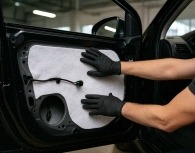
Automotive Interior Components
Match support, acoustic or thermal layers to the actual vehicle component and production line.
Explore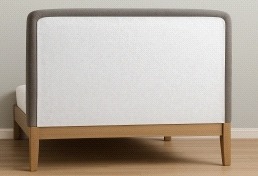
Application brief
Furniture & Upholstery Components
Separate hard support, dust-cover and spring-wrapping duties before selecting material.
Explore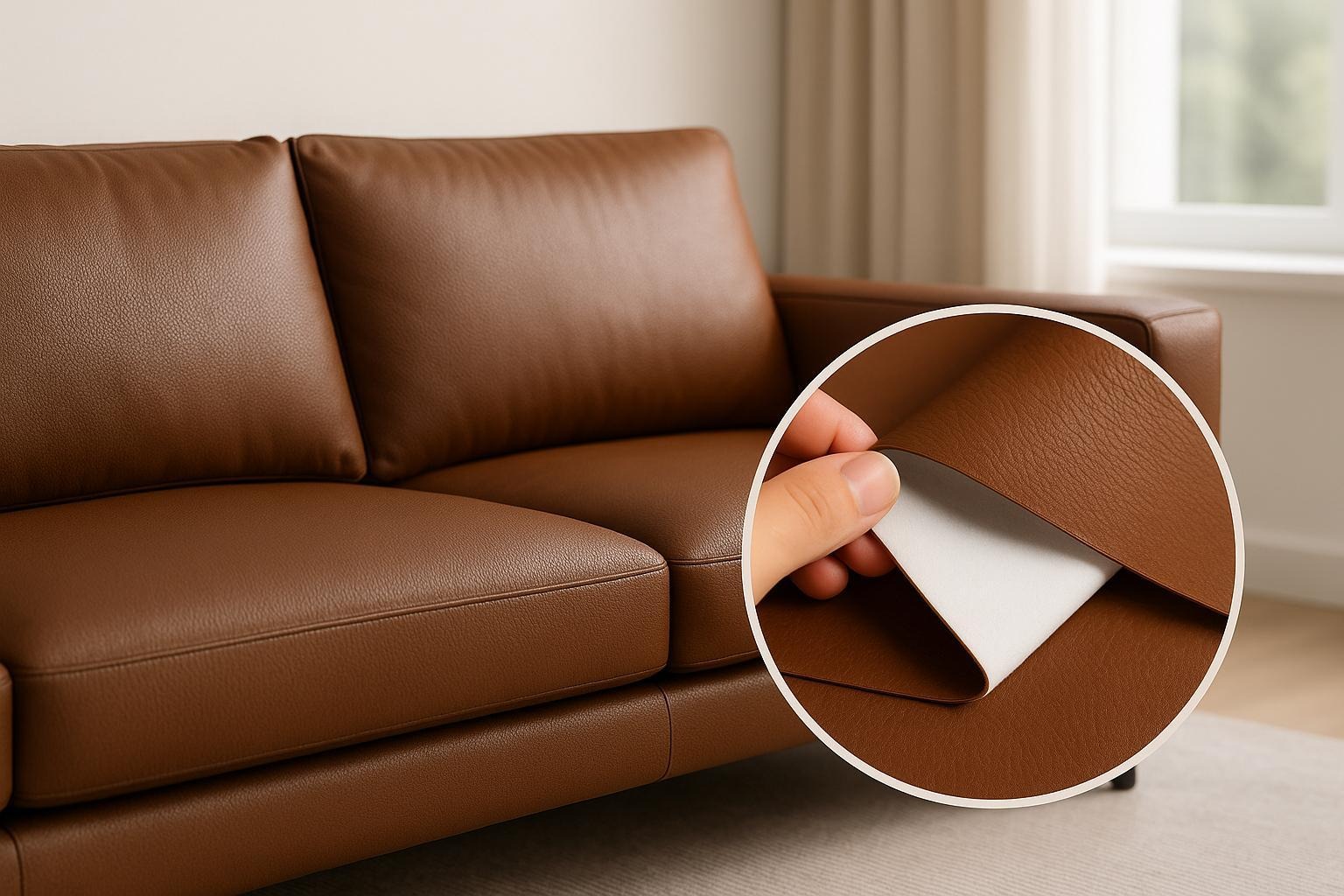
Application brief
Leather & Footwear Material Routes
Choose the coating base or support component before comparing specifications.
Explore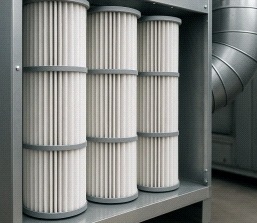
Application brief
Industrial Filtration Media Development
Define the medium and operating conditions before selecting pore structure and material.
Explore
Application brief
Mattress & Pocket-Spring Systems
Coordinate fabric feed, wrapping and seam integrity with spring assembly production.
Explore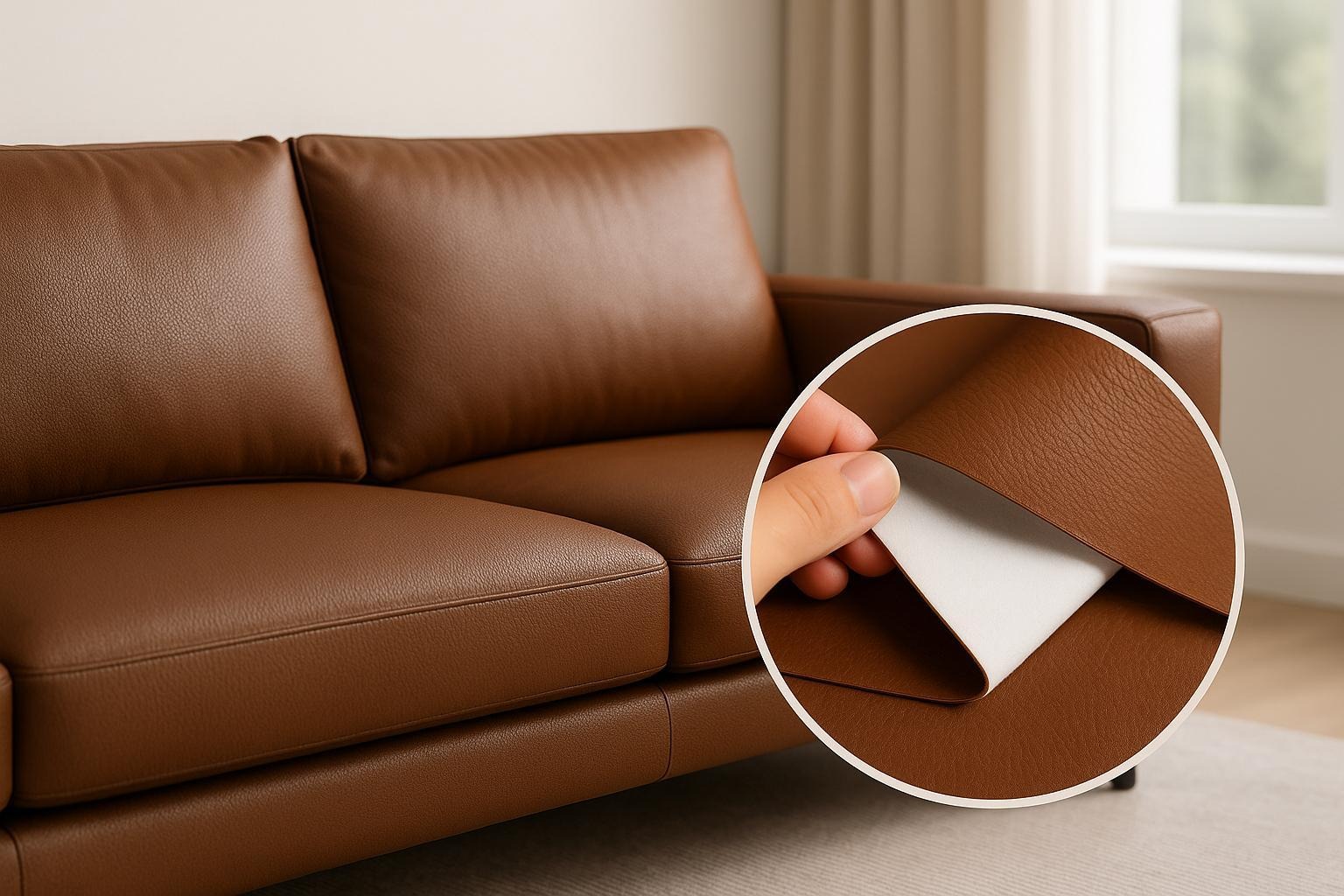
Application brief
Synthetic Leather Production
Support consistent coating and bonding with the chosen substrate and process.
Explore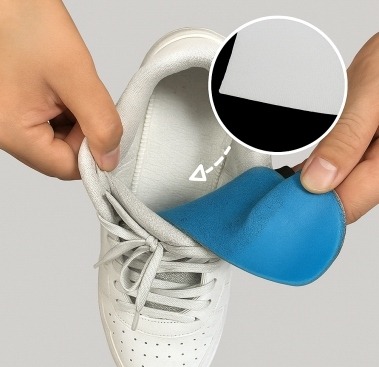
Application brief
Footwear Support Manufacturing
Balance flexible shaping or higher stiffness for the defined shoe component.
Explore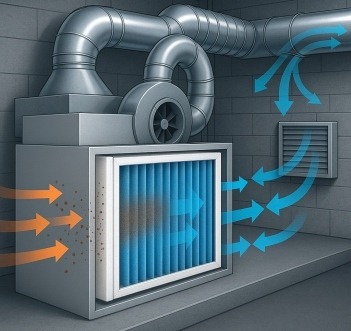
Application brief
HVAC & Air Pre-Filtration
Review capture, flow resistance and dust loading using the same operating basis.
Explore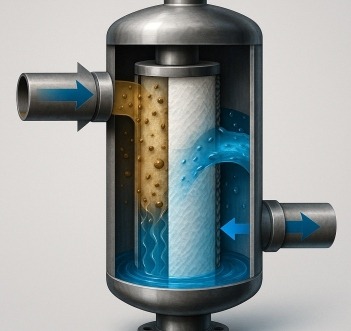
Application brief
Liquid Pre-Filtration
Review material compatibility and retention for the actual liquid.
Explore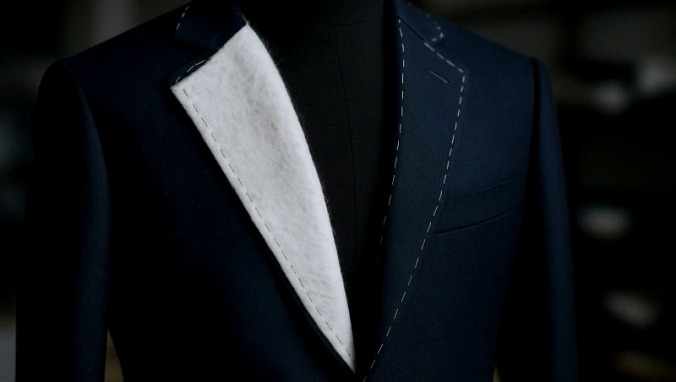
Application brief
Apparel & Garment Accessories
Support garment shape while preserving required drape and process compatibility.
Explore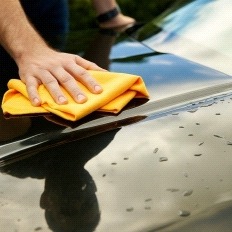
Application brief
Cleaning & Industrial Wiping
Match liquid pickup, low-lint expectations and durability to the wiping surface.
Explore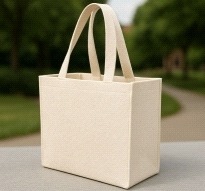
Application brief
Reusable Packaging Development
Define bag function and repeat use before choosing fabric, print and seams.
Explore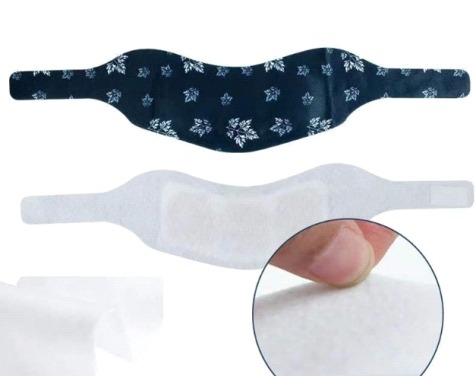
Application brief
Healthcare Product Substrate Development
Define the finished care product and evidence needed for its intended contact.
Explore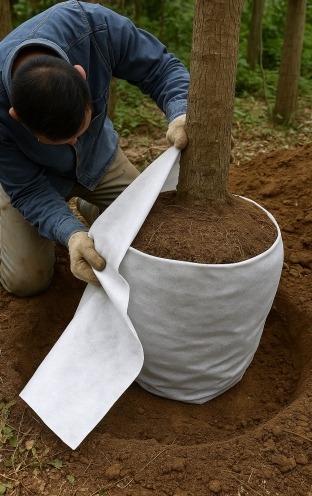
Application brief
Landscaping & Nursery Materials
Distinguish long cultivation from short-term digging and transport protection.
Explore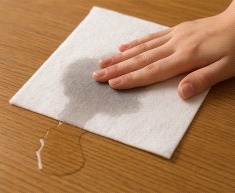
Application brief
Functional Material Development
Start from one defined performance requirement and evaluate combinations.
Explore05 / DOCUMENTS & EVIDENCE
Build a useful technical package.
Editable selection briefs
Fill the inputs you know. A request worksheet is different from a data sheet or test report.
Automotive Needle-Punched Nonwovens brief ↗Furniture & Upholstery Nonwovens brief ↗Synthetic Leather & Footwear Substrates brief ↗Industrial Filtration & Custom Felts brief ↗Needle-Punched Apparel Interlining brief ↗Cleaning Nonwoven Fabric brief ↗Nonwoven Fabric for Tote Bags brief ↗Nonwoven Substrates for Healthcare Product Development brief ↗Landscaping & Nursery Nonwovens brief ↗Functional Needle-Punched Nonwovens brief ↗Released original literature
No original technical file for this platform is currently released for public download. Product pages retain the supplied reference data and source scope.
Browse released technical resources ↗Grade-specific evidence
Request the offered identifier, effective TDS, sample or batch results and permission to share. Certification and complete-system performance require their own evidence.
Request the applicable documents ↗How to review evidence ↗SUPPLIED SOURCE LIBRARY
Where the platform information comes from.
Automotive Interior Nonwoven Solutions ↗Synthetic Leather Base Solutions ↗Functional Nonwoven Solutions ↗Healthcare Substrate Literature ↗Landscaping & Nursery Material Solutions ↗Furniture Hardfelt Literature ↗Furniture Base Fabric Literature ↗Spring Pocket Fabric Literature ↗Apparel Interlining Literature ↗Cleaning & Wiping Nonwoven Literature ↗Reusable Packaging Fabric Literature ↗Air & Liquid Filter Media Literature ↗Footwear & Sports Support Solutions ↗
06 / BUYER GUIDANCESearch all buyer questions ↗
Understand the differences before you request a grade.
01 / BUYING GUIDE
Technical resources
OEM Sampling: From a Traceable Brief to an Approved Specification
An OEM nonwoven sample is useful when it represents a defined component and a decision the buyer needs to make. OEM means original equipment manufacturer. Start a development request with the finished use and converting process, then identify the candidate sample and the evidence required to move it forward. Sending an unlabelled swatch without that context rarely creates a comparable approval record.
Explore02 / BUYING GUIDE
Technical resources
Automotive Nonwoven Brief: Component, Forming and Evidence
An automotive nonwoven enquiry needs a component and processing brief before a catalogue property range. Door trim, headliner, carpet and trunk parts do not automatically share the same material requirement. Define the layer’s role and the forming or laminating operation, then identify the customer’s actual performance and approval requirements for that component.
Explore03 / BUYING GUIDE
Technical resources
Furniture Hardfelt, Base Fabric or Spring Pocket Fabric?
Choose furniture hardfelt, base fabric or spring-pocket fabric by the component’s job, not by applying one fabric weight across the furniture. The supplied literature describes different material routes for stiffer support, bottom-cover or support duties, and wrapping individual springs. Each route needs its own assembly and evidence questions.
ExploreExplore 10 more related guides
01 / BUYING GUIDE
Technical resources
Leather Substrate Trials: Coating Adhesion Before Generic Strength
Choose a synthetic-leather base fabric by how it performs in the intended coating or lamination route, not by uncoated tensile strength alone. Identify the chemistry, processing conditions and finished-layer requirements, then evaluate a representative coated composite. A strong raw fabric is not automatically a qualified base for every PU, PVC or TPU construction.
Explore02 / BUYING GUIDE
Technical resources
Thermo-Set or Impregnated Shoe Support: Define the Component
Choose thermo-set support fabric or impregnated board by the actual footwear component and required balance of support, flexibility and processing. The supplied footwear literature presents two material routes; it does not establish that their brochure cycle figures are directly comparable or that either route automatically meets a safety-footwear requirement.
Explore03 / BUYING GUIDE
Technical resources
Air and Liquid Filter Media Need Different Specifications
Air and liquid filtration enquiries need different operating descriptions and performance evidence. Air permeability, particle-removal efficiency and a liquid retention claim are not interchangeable quantities. Begin with the medium and duty, then identify the test object, flow conditions and acceptance question for the material or finished filter being purchased.
Explore04 / BUYING GUIDE
Technical resources
Functional Claims: Ask for the Material, Method and Durability
A functional nonwoven claim is useful only when it identifies the function, the tested material and the conditions under which the result was obtained. “Antibacterial,” “flame-retardant,” “low-VOC” and “biodegradable” are not interchangeable quality labels. Write the requirement for the intended application and check the evidence for that particular construction.
Explore05 / BUYING GUIDE
Technical resources
Planting Bags or Root-Ball Wrapping: Match the Stage
Cultivation-bag fabric and root-ball wrapping serve different stages of nursery work. A growing container is considered with plant growth, drainage and the intended use period; wrapping is considered with root-ball protection and handling during movement. Do not approve one material for both jobs from a shared “nursery nonwoven” description.
Explore06 / BUYING GUIDE
Technical resources
Wiping Fabric Trials: Absorbency, Lint and Repeated Washing
Choose wiping nonwoven by the liquid, surface and reuse conditions in the cleaning task. Absorption, wet strength, lint and surface sensitivity are different evaluation questions. A brochure’s high absorption percentage or “low-lint” wording cannot, alone, establish that the wipe is suitable for every coating, cleaning chemical or laundering routine.
Explore07 / BUYING GUIDE
Technical resources
Reusable Bag Fabric: Separate Fabric, Seam and Environmental Claims
A reusable-bag material enquiry should separate fabric properties, finished-bag construction and environmental claims. A strong roll fabric does not by itself establish handle or seam performance, and the word “reusable” does not prove recyclability or biodegradation. Define the contents and use cycle before comparing a bag or fabric offer.
Explore08 / BUYING GUIDE
Technical resources
Healthcare Substrate Development: Define the Intended Contact
A healthcare or care-product substrate must be defined by its role and intended contact before material properties or safety claims are discussed. A patch carrier, heated care-product layer or another substrate can have different processing and contact requirements. A brochure’s “medical” or “skin-friendly” wording does not establish a finished-product approval.
Explore09 / BUYING GUIDE
Technical resources
Pocket-Spring Fabric: What Must Be Agreed Before an Ultrasonic Line Trial?
For a pocket-spring ultrasonic trial, give the longitudinal seam and transverse closure separate entries on the result sheet. Record which of these positions was actually tested and leave the other undecided until it has been reviewed. This proposed record helps a mattress manufacturer define the scope of a seam decision; it supplies no welding settings or pass limits.
Explore10 / BUYING GUIDE
Technical resources
Air Filter Support Layer vs Filtration Layer: What Are You Buying?
Specify the layer being purchased before asking for a price. In a multilayer air-filter construction, a support or backing layer and a filtration layer can have different assigned jobs. Mark the requested layer on a stack drawing and state whether the offer covers that layer alone or a supplied combination. The checklist below is an editorial purchasing aid; the buyer’s engineer must confirm the actual construction.
ExploreQuestions for this material platform
How should an industrial OEM prepare a material development request?
Provide the end use, converting process, fibre or material restrictions, dimensions and target properties. Agree the sample assessment and test requirements before approving a bulk specification.
Prepare an OEM sampling brief ↗What should I identify before selecting automotive needle-punched nonwovens?
Polyester-based needle-punched structural and lining nonwovens. Opening, carding, cross-lapping, needle punching and heat setting; evaluate downstream forming. The offered composition and construction should be recorded against a sample or approved specification, rather than inferred from a generic product name. Support;Acoustic lining;Formability;Identify the vehicle component, forming process, stiffness and acoustic/thermal targets. Compare candidates under the same application conditions. Material weight alone does not establish equivalent performance.
Review construction, conditions & sources ↗What evidence should I request for automotive needle-punched nonwovens?
Mass/thickness, forming stability and customer-specified acoustic, emissions and safety tests. Request the applicable method, specimen direction, conditioning and test scope. A published reference range is different from a measured sample result. NRC, low-VOC, flame-retardant and antibacterial statements in the brochure are not vehicle approvals. No corresponding acoustic, emission or flammability test original is supplied. Validate the assembled component and process.
Review construction, conditions & sources ↗What should I identify before selecting furniture & upholstery nonwovens?
Needle-punched fabrics for support, dust-cover and spring-pocket duties. Heat-set or impregnated structures selected for different furniture components. The offered composition and construction should be recorded against a sample or approved specification, rather than inferred from a generic product name. Support;Dust cover;Spring separation;Keep hard support, breathable base cover and heat-sealed spring pocket requirements separate. Compare candidates under the same application conditions. Material weight alone does not establish equivalent performance.
Review construction, conditions & sources ↗What evidence should I request for furniture & upholstery nonwovens?
Component-specific mechanical tests, dimensional stability, joining compatibility and requested chemical/emission evidence. Request the applicable method, specimen direction, conditioning and test scope. A published reference range is different from a measured sample result. These three products are not interchangeable. Brochure E0/formaldehyde-free, fatigue and sealing claims need the correct product-specific method and evidence.
Review construction, conditions & sources ↗What should I identify before selecting synthetic leather & footwear substrates?
Technical needle-punched substrates for coating or shoe support. Heat setting, coating/lamination or impregnation according to end use. The offered composition and construction should be recorded against a sample or approved specification, rather than inferred from a generic product name. Coating support;Footwear support;Converting;Define coating chemistry or shoe component before choosing a substrate. Compare candidates under the same application conditions. Material weight alone does not establish equivalent performance.
Review construction, conditions & sources ↗07 / YOUR NEXT STEP
Turn the use into a comparable material brief.
Identify the construction and application. Record the dimensions, conditions, required tests, quantity and destination. Confirm the proposed grade, evidence and supply scope before ordering.