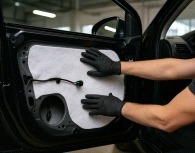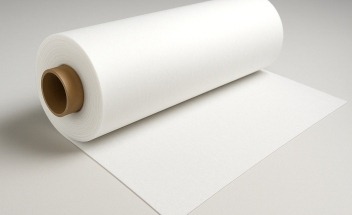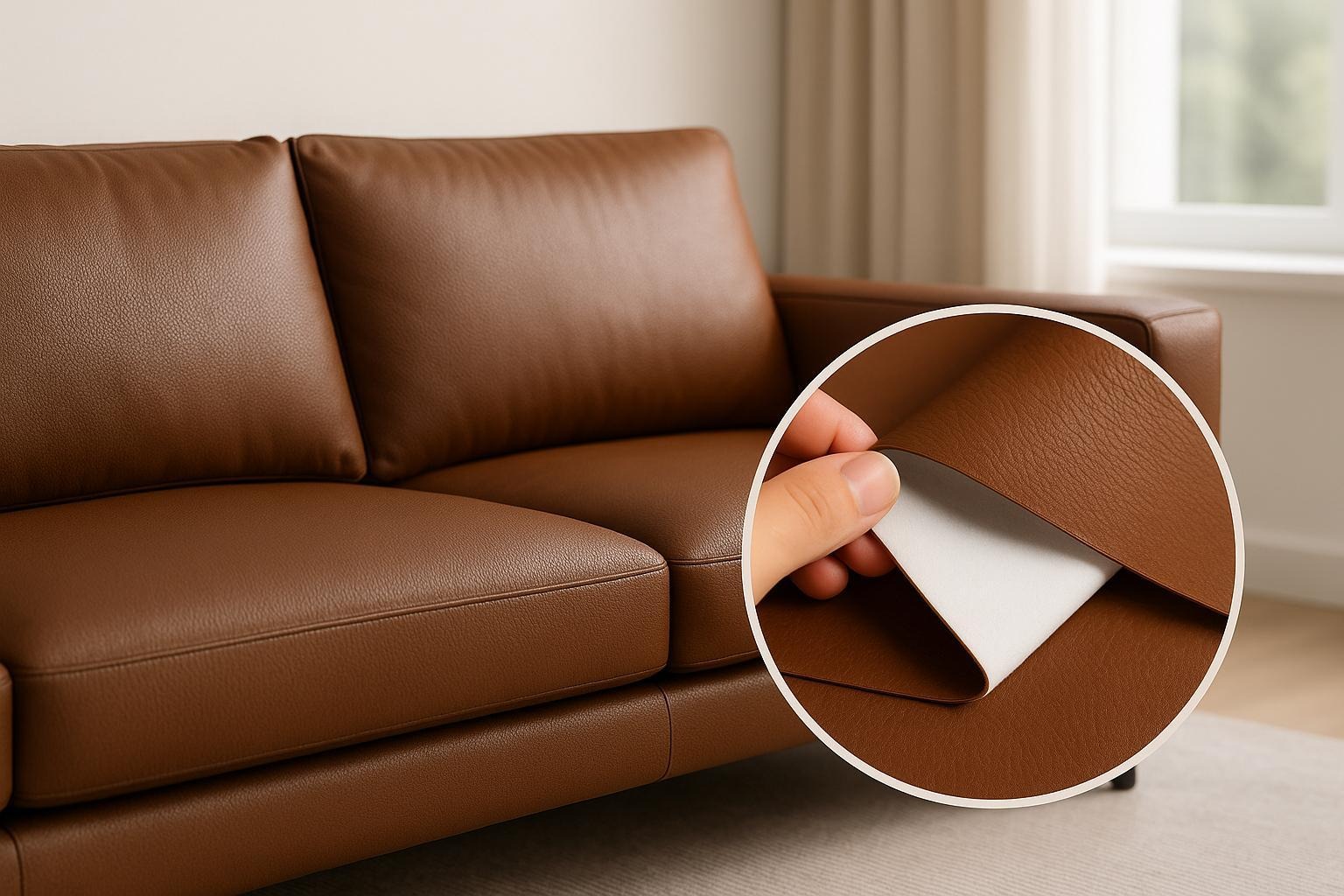
An OEM nonwoven sample is useful when it represents a defined component and a decision the buyer needs to make. OEM means original equipment manufacturer. Start a development request with the finished use and converting process, then identify the candidate sample and the evidence required to move it forward. Sending an unlabelled swatch without that context rarely creates a comparable approval record.
What makes a sampling brief actionable?
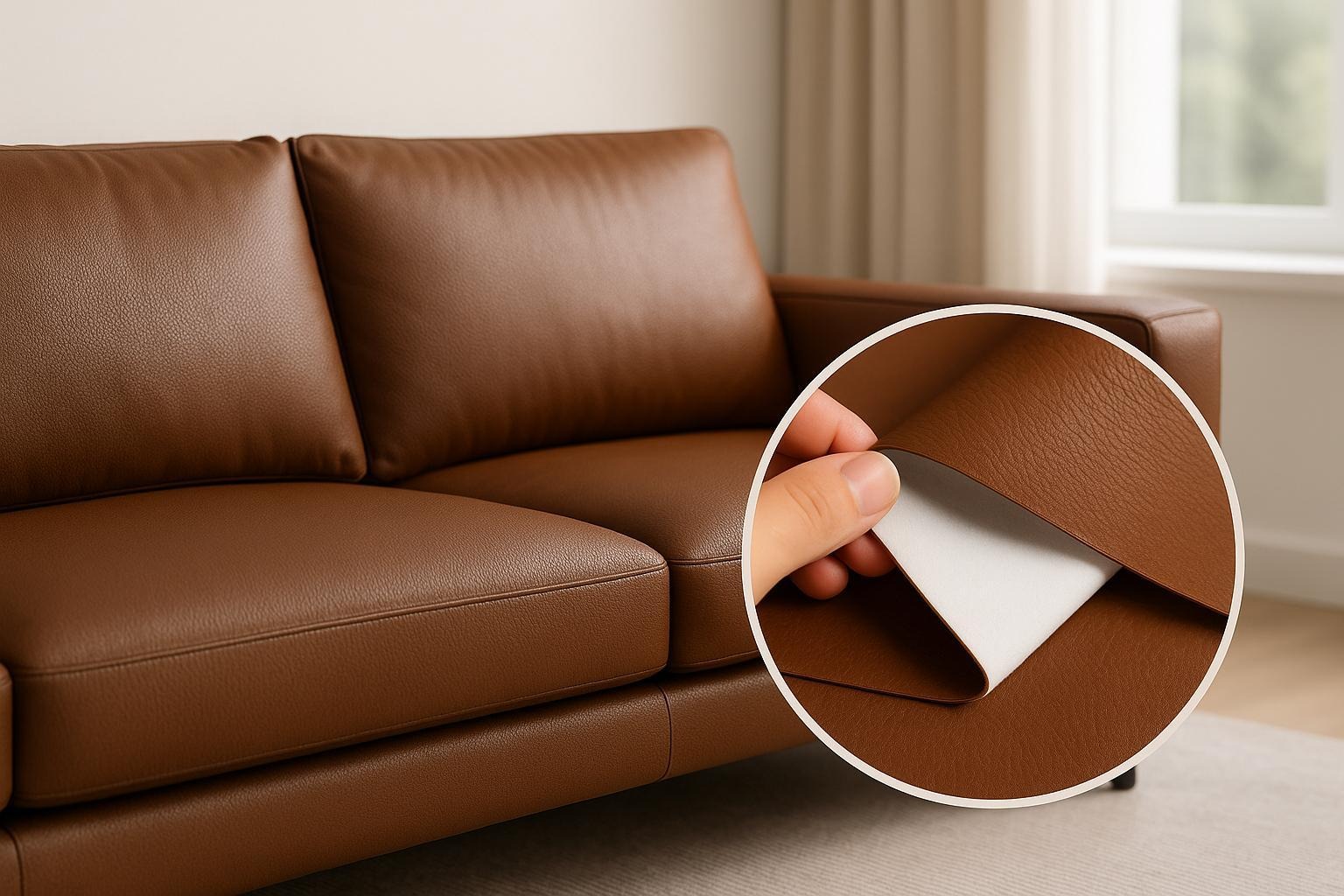
Describe the component, where the nonwoven sits and what happens to it during converting. Examples include forming an automotive part, coating a leather substrate or joining a spring pocket. Identify the required construction and dimensions, performance questions, restricted substances where relevant and known processing conditions. Distinguish confirmed requirements from targets still under discussion.
Do not use “same as our current material” as the only specification. If a reference sample can be shared, record its origin and the permission to use it, and say which qualities the new material must reproduce.
How should a trial be designed to answer a real question?
Agree the decision before dispatch: is the buyer checking feed behaviour, forming, coating, seam formation or a measured end-use property? Identify the sample dimensions and quantity needed for that trial, who will operate it and the method or acceptance basis. These are proposed development steps, not a promise that every requested construction is currently manufacturable.
Give each supplied sample an identifier linked to the proposed specification revision. If several variables change at once, record those differences so a successful or unsuccessful trial is not attributed to the wrong material feature.
When is a sample decision ready for a production enquiry?
A positive comment such as “feels good” is not the same as an agreed specification. Record the observed result, limitations, remaining tests and the person authorised to make the purchasing decision. Confirm what configuration the sample represents and which parameters will be controlled in the bulk offer.
Price, minimum quantity, packaging, availability and timing must be confirmed for that offer. A brochure’s sample or emergency-delivery language is not a universal commercial promise.
Illustrative trial record
For a coated substrate, sample A might be evaluated for coating uniformity while sample B changes a documented construction input. Keep the coating conditions and result descriptions attached to each ID. If the trial only examined coating appearance, do not record it as approval for flex durability or chemical compliance. The example describes traceability, not a tested product.
Next step
Use the contact page to identify the material family and attach a component-specific development brief. For spring systems, the ultrasonic trial checklist helps separate individual seam decisions.
Frequently asked questions (FAQ)
Can a small hand sample approve full-speed production?
It can answer only the questions that were actually evaluated. Identify which line or component trial remains necessary before the buyer releases a production order.
Are samples always free or available immediately?
No universal policy is established here. Confirm the construction, sample format, quantity, charges and dispatch expectations with the specific offer.
What if the reference sample has no technical sheet?
Document what can be observed and measured, and ask the buyer which requirements must be established separately. Do not reverse-engineer unsupported compliance or lifetime claims from the swatch.
How should a failed trial be reported?
Provide the sample ID, operation, actual conditions, observed failure and any comparison sample. Separate the observation from the proposed cause so the next development step can investigate it.
How much sample material should a converter request?
Ask the trial operator to define the usable dimensions, quantity and any allowance needed for the intended operation. Record the requirement before dispatch. A hand swatch, a laboratory specimen and a production-line trial need not use the same sample format.
What should be retained when a sample is accepted?
Keep its identifier, the proposed specification, the trial record and the precise approval scope together. Where permitted, agree a reference-sample retention arrangement. Do not let a sample acceptance replace uncompleted performance or compliance questions.
Source & applicability
Supplier literature supports this selection brief. Reference ranges do not establish an approved grade, certification or tested system performance.
- Automotive Interior Nonwoven Solutions
- Synthetic Leather Base Solutions
- Functional Nonwoven Solutions
- Furniture Hardfelt Literature
- Furniture Base Fabric Literature
- Spring Pocket Fabric Literature
- Apparel Interlining Literature
- Cleaning & Wiping Nonwoven Literature
- Reusable Packaging Fabric Literature
- Air & Liquid Filter Media Literature
- Footwear & Sports Support Solutions