
Needle-Punched Apparel Interlining
Choose needle-punched interlining around the garment shape, drape and pressing process. Review stiffness, stitching, laundering and dimensional stability in a representative garment component.
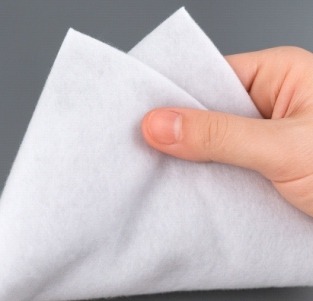
Supplied brochure image. Material / use reference; confirm the offered configuration.
| Construction | Polyester or blended needle-punched shaping material; Cotton Interlining is the brochure name, not confirmed cotton-fiber composition |
|---|---|
| Supply / process | Needle punching and heat setting with sewing, pressing or lamination trials |
| Intended uses | Plackets, collars, cuffs, suit front panels, shoulders and workwear support |
| Commercial model | Not established in the supplied literature; confirm the offered grade |
| Data status | Brochure references; not guaranteed values or batch test results |
Catalogue references are not guaranteed performance values. Confirm the offered grade, test methods and supply responsibilities in the quotation.
Supplier literature: specification inputs
These are stated brochure ranges for preliminary review, not a guaranteed combination or an approved commercial model. Confirm the selected construction, tolerances, test method and acceptance criteria.
| Property / configuration | Literature reference |
|---|---|
| Mass | 60–500 g/m² |
| Width | 0.5–3.0 m |
| Thickness | 0.5–2.0 mm |
| Air permeability reference | 150–400 L/m²·s; method/pressure to confirm |
| Colors | White / grey / black; confirm |
Material and construction
Polyester or blended needle-punched shaping material; Cotton Interlining is the brochure name, not confirmed cotton-fiber composition.
The material is selected for plackets, collars, cuffs, suit front panels, shoulders and workwear support. Define the component or system position first, then use the selection and evidence requirements on this page to prepare a comparable enquiry.
Applications and material position
Plackets, collars, cuffs, suit front panels, shoulders and workwear support.
Identify the collar, cuff, front panel, shoulder or other shaping position. Confirm fiber composition separately: the brochure's Cotton Interlining wording is not evidence that every offered construction contains cotton.
What changes the selection
Sew, press or laminate a sample in the intended outer fabric and care cycle. Review shape and dimensional change after the agreed conditioning rather than treating one mass as suitable for every garment.
Processing and supply configuration
Needle punching and heat setting with sewing, pressing or lamination trials.
Agree the supplied format, dimensions, tolerances, identification and packaging around the actual converting or installation sequence. Use a representative sample to confirm the proposed construction before recording it as the accepted material for the order.
Reference dimensions and configuration
The supplied literature provides the following preliminary inputs: Mass: 60–500 g/m²; Width: 0.5–3.0 m; Thickness: 0.5–2.0 mm; Air permeability reference: 150–400 L/m²·s; method/pressure to confirm; Colors: White / grey / black; confirm.
Confirm the offered construction and applicable range before ordering. These entries are not a promise that every listed value can be supplied together.
Performance review and acceptance
Dimensional and shape retention, laundering/pressing compatibility and buyer-specified chemical tests. Request the applicable method, specimen direction, conditioning and test scope. A published reference range is different from a measured sample result.
Keep the proposed material identifier, specimen preparation and acceptance basis with the result so that procurement can compare like with like.
Applicability and limitations
REACH, RoHS and OEKO-TEX reports are mentioned in the brochure but no applicable originals are in this supplied folder. Do not present certification badges or claim universal skin safety.
Sampling and procurement brief
Include the following in your enquiry: garment component; outer fabric; desired stiffness and drape; sewing or lamination; pressing conditions; care cycle; chemical documentation requirements.
Start with the conditions you know; mark the unknown values for review. Use the related application and product-type links on this page to refine the requirement, then send a material-specific brief. Sample approval, packing, available supply format, quantity and delivery timing are confirmed for the proposed order.
Source & applicability
Supplier literature supports this selection brief. Reference ranges do not establish an approved grade, certification or tested system performance.
Commercial grade & specification
This page describes a material family or construction type. The offered commercial model and applicable specification are confirmed for the proposed order.
Prepare the grade requirements ↗Technical documents
Review the selection checklist or request documents for the proposed grade. Public checklists are not test reports.
View selection checklist ↗ Find related documents ↗