GEOSYNTHETICS · TECHNICAL NONWOVENS
BOSHIDA / GEOSYNTHETICS & TECHNICAL NONWOVENS

Start with the application.
Find your material.

Needle-punched nonwoven manufacturing at our core. Engineering materials supplied with project-specific coordination.

For engineering procurement, protective liner and industrial OEM requirements.

01 / MATERIAL PLATFORMS

Three routes to the right starting point.

Choose your material platform, then review product construction, specification inputs and related applications.

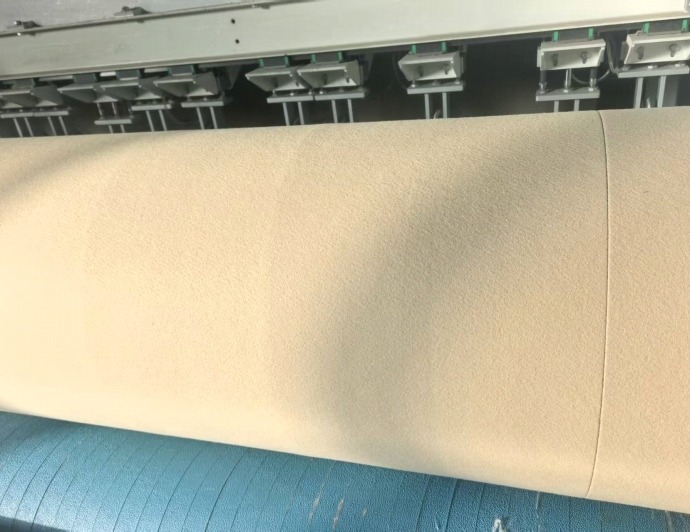
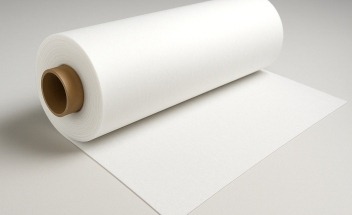
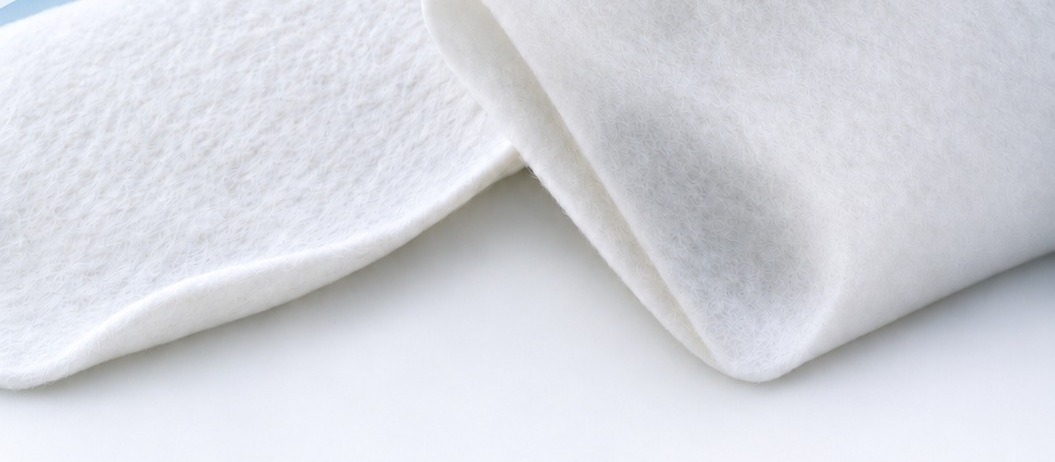
Material images are taken from supplied company brochures; diagrams are labelled separately. Images do not establish a tested grade or a completed project.

02 / APPLICATIONS & FUNCTIONS

Know the challenge. Explore the material.

Engineering conditions and industrial processes need different selection questions.

03 / SELECTION SUPPORT

Compare the questions that matter.

Start with construction, operating conditions and test requirements — before requesting a grade.

01 / BUYING GUIDE
Technical resources

PET or PP Geotextile: Define the Environment Before the Polymer

Choose PET or PP geotextile against the contact environment and the required function, not the polymer name alone. PET means polyester and PP means polypropylene. Neither label identifies the complete finished-fabric specification. For a purchasing decision, separate the chemistry question from hydraulic and mechanical qualification: a material considered suitable for the exposure still needs evidence for its separation, filtration or protection duty.

Explore
02 / BUYING GUIDE
Technical resources

Smooth or Textured HDPE: Start with the Contact Interfaces

Choose smooth or textured HDPE geomembrane from the interfaces in the designed lining system. Name the material touching each face, the location on the drawing and the relevant loading and moisture conditions. Texture is a surface configuration; its appearance alone does not demonstrate interface resistance or establish that a slope is safe.

Explore
03 / BUYING GUIDE
Technical resources

OEM Sampling: From a Traceable Brief to an Approved Specification

An OEM nonwoven sample is useful when it represents a defined component and a decision the buyer needs to make. OEM means original equipment manufacturer. Start a development request with the finished use and converting process, then identify the candidate sample and the evidence required to move it forward. Sending an unlabelled swatch without that context rarely creates a comparable approval record.

Explore
04 / MANUFACTURING & MATERIAL REVIEW

A clear scope.
A written specification.

Our core focus is needle-punched nonwovens. Confirm supply and quality responsibilities for each engineering material.

Review manufacturing & quality ↗
01

Identify the supply scope

Confirm material construction and the manufacturing or coordinated supply responsibility.

02

Review the offered grade

Request applicable specifications, test methods and documents for the proposed material.

03

Agree how it will be assessed

Confirm sample evaluation, inspection and acceptance requirements before purchase.

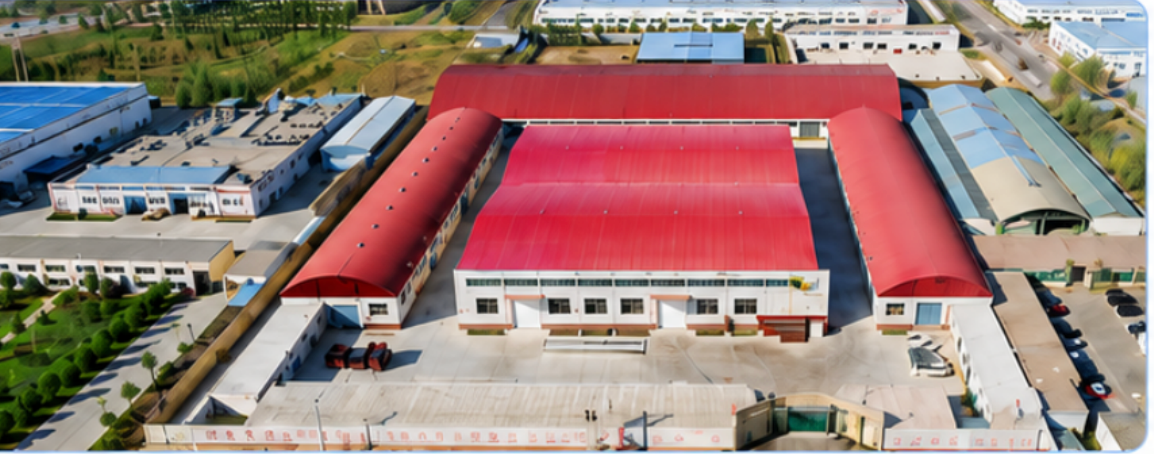
Company-provided overview of the BOSHIDA facility
Facility overview supplied by BOSHIDA.
BOSHIDA / COMPANY & MATERIALS

Meet the business behind the material.

BOSHIDA supplies geosynthetics and technical needle-punched nonwovens from Boye County, Baoding, Hebei, China. Needle-punched nonwovens are the core manufacturing focus. Other engineering materials are supplied through project-specific coordination; confirm the manufacturing and quality responsibilities for each quotation.

Our material routes serve engineering procurement, protective liner requirements and industrial OEM converting. Start with the application, then confirm the offered construction and supporting documents.

05 / PROCUREMENT ROUTES

Different buyers. Different material briefs.

DISTRIBUTOR / BULK SUPPLY

Build a comparable supply request.

Review material families, dimensions, quantities, packing requirements and delivery destination.

Explore supply & cooperation ↗
07 / BUYER QUESTIONS

Start with
a useful answer.

Materials, manufacturing scope, OEM briefs and technical documentation.

Explore all buyer questions ↗
Which materials are BOSHIDA’s manufacturing focus?

Needle-punched nonwovens are the core manufacturing focus. For other engineering materials, confirm the manufacturing, supply and quality responsibilities for the proposed quotation.

Review manufacturing and supply scope ↗
What should I compare when selecting a needle-punched geotextile?

Identify the material, short-staple or continuous-filament construction, intended function, dimensions and specified tests. PET or PP and mass per area alone do not define suitability.

Read the geotextile selection guide ↗
Is a smooth or textured geomembrane right for my project?

The choice depends on the project design and material interfaces. Provide the slope, contacting materials, exposure and project specification; surface texture and material formulation are separate decisions.

Review liner selection factors ↗
What information is needed for a protective liner material brief?

Describe the system construction, fill material, seams, exposure, target properties, roll dimensions and quantity. This enquiry concerns nonwoven liner material, rather than a complete protective barrier system.

Explore high-toughness liner rolls ↗
How should an industrial OEM prepare a material development request?

Provide the end use, converting process, fibre or material restrictions, dimensions and target properties. Agree the sample assessment and test requirements before approving a bulk specification.

Prepare an OEM sampling brief ↗
How can I request specifications and applicable test documents?

Identify the proposed material and required test methods. Request the grade-specific documents for review; their availability and applicability need confirmation. Public selection checklists are not certificates or test reports.

Explore documents and checklists ↗
What should a distributor include in a bulk supply enquiry?

State the material family, dimensions, quantity, packing needs, destination and expected order pattern. Minimum order quantities, availability and delivery timing require confirmation in the quotation.

Discuss a distributor requirement ↗