
Furniture Base Fabric
Select furniture base fabric for sofa undersides, dust covers and mattress linings. Compare coverage, airflow, handling and attachment requirements before choosing roll dimensions and construction.
Part of Furniture & Upholstery Nonwovens
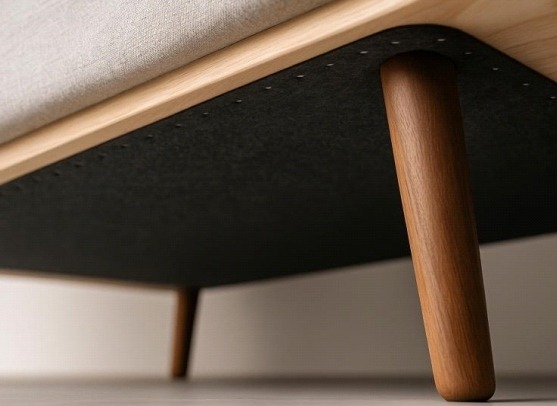
Supplied brochure image. Material / use reference; confirm the offered configuration.
| Construction | PET or PP needle-punched and heat-set nonwoven base fabric |
|---|---|
| Supply / process | Roll feeding, cutting and attachment matched to the furniture design |
| Intended uses | Sofa bottom covers, mattress base linings, seat dust covers and support linings |
| Commercial model | Not established in the supplied literature; confirm the offered grade |
| Data status | Brochure references; not guaranteed values or batch test results |
Catalogue references are not guaranteed performance values. Confirm the offered grade, test methods and supply responsibilities in the quotation.
Product type / configuration, not an approved commercial model code. Confirm the offered identifier and specification before ordering.
Supplier literature: specification inputs
These are stated brochure ranges for preliminary review, not a guaranteed combination or an approved commercial model. Confirm the selected construction, tolerances, test method and acceptance criteria.
| Property / configuration | Literature reference |
|---|---|
| Mass | 70–500 g/m² |
| Width | 0.3–3.5 m |
| Tensile reference | 80–300 N/5 cm |
| Air permeability reference | 200–400 L/m²·s; test pressure not specified |
| Colors | White / black / grey; confirm |
Material and construction
PET or PP needle-punched and heat-set nonwoven base fabric.
The material is selected for sofa bottom covers, mattress base linings, seat dust covers and support linings. Define the component or system position first, then use the selection and evidence requirements on this page to prepare a comparable enquiry.
Applications and material position
Sofa bottom covers, mattress base linings, seat dust covers and support linings.
State whether the fabric primarily covers dust, provides a lining or performs a specified support duty. Show where it is stapled, sewn or otherwise attached and what remains visible in the finished furniture.
What changes the selection
Try the fabric on the actual frame or base. Review cutting, fixing, tear behavior and any required airflow using the relevant method rather than relying on a tensile figure alone.
Processing and supply configuration
Roll feeding, cutting and attachment matched to the furniture design.
Agree the supplied format, dimensions, tolerances, identification and packaging around the actual converting or installation sequence. Use a representative sample to confirm the proposed construction before recording it as the accepted material for the order.
Reference dimensions and configuration
The supplied literature provides the following preliminary inputs: Mass: 70–500 g/m²; Width: 0.3–3.5 m; Tensile reference: 80–300 N/5 cm; Air permeability reference: 200–400 L/m²·s; test pressure not specified; Colors: White / black / grey; confirm.
Confirm the offered construction and applicable range before ordering. These entries are not a promise that every listed value can be supplied together.
Performance review and acceptance
Tensile and tear as required, airflow at agreed pressure, appearance and attachment durability. Request the applicable method, specimen direction, conditioning and test scope. A published reference range is different from a measured sample result.
Keep the proposed material identifier, specimen preparation and acceptance basis with the result so that procurement can compare like with like.
Applicability and limitations
A breathable fabric does not automatically establish mold resistance or formaldehyde-free status. Tensile strength is not a direct substitute for tear strength or assembly load tests.
Sampling and procurement brief
Include the following in your enquiry: base or cover position; attachment method; airflow and appearance; target mass; cut width; tear or tensile requirements; finished assembly conditions.
Start with the conditions you know; mark the unknown values for review. Use the related application and product-type links on this page to refine the requirement, then send a material-specific brief. Sample approval, packing, available supply format, quantity and delivery timing are confirmed for the proposed order.
Source & applicability
Supplier literature supports this selection brief. Reference ranges do not establish an approved grade, certification or tested system performance.
Commercial grade & specification
This page describes a material family or construction type. The offered commercial model and applicable specification are confirmed for the proposed order.
Prepare the grade requirements ↗Technical documents
Review the selection checklist or request documents for the proposed grade. Public checklists are not test reports.
View selection checklist ↗ Find related documents ↗Explore related applications
Before you buy
OEM Sampling: From a Traceable Brief to an Approved Specification
An OEM nonwoven sample is useful when it represents a defined component and a decision the buyer needs to make. OEM means original equipment manufacturer. Start a development request with the finished use and converting process, then identify the candidate sample and the evidence required to move it forward. Sending an unlabelled swatch without that context rarely creates a comparable approval record.
ExploreFurniture Hardfelt, Base Fabric or Spring Pocket Fabric?
Choose furniture hardfelt, base fabric or spring-pocket fabric by the component’s job, not by applying one fabric weight across the furniture. The supplied literature describes different material routes for stiffer support, bottom-cover or support duties, and wrapping individual springs. Each route needs its own assembly and evidence questions.
ExploreCompare alternatives in the same series
Furniture Hardfelt
Review needle-punched hardfelt for furniture support panels and linings. Match thickness and stiffness to bending, frame contact, fixing and lamination requirements in the intended component.
Explore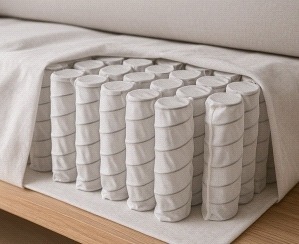
Spring Pocket Fabric
Develop spring-pocket fabric around the spring size and joining process. Evaluate material feeding, thermal or ultrasonic seams and assembly cycling before confirming the production specification.
Explore