Nonwoven Substrates for Healthcare Product Development
Discuss needle-punched substrates for healthcare-product development, including proposed patch backing and care-pad layers. Define contact conditions, converting and safety evidence before considering an end use.
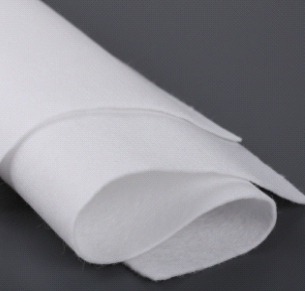
Supplied brochure image. Material / use reference; confirm the offered configuration.
| Construction | Needle-punched polyester or other project-selected fibers for a proposed care-product substrate |
|---|---|
| Supply / process | Needle punching and heat setting, with customer-specific lamination or converting evaluation |
| Intended uses | Development of patch backing, heat-pack, eye-mask and care-pad layers |
| Commercial model | Not established in the supplied literature; confirm the offered grade |
| Data status | Brochure references; not guaranteed values or batch test results |
Catalogue references are not guaranteed performance values. Confirm the offered grade, test methods and supply responsibilities in the quotation.
Supplier literature: specification inputs
These are stated brochure ranges for preliminary review, not a guaranteed combination or an approved commercial model. Confirm the selected construction, tolerances, test method and acceptance criteria.
| Property / configuration | Literature reference |
|---|---|
| Mass reference | 50–600 g/m² |
| Width reference | 0.2–3.0 m |
| Absorption claim | 100–400%; method and material to verify |
| Air permeability reference | 150–400 L/m²·s |
| Evidence status | Medical-grade, skin safety and clean-process claims remain unverified |
Material and construction
Needle-punched polyester or other project-selected fibers for a proposed care-product substrate.
The material is selected for development of patch backing, heat-pack, eye-mask and care-pad layers. Define the component or system position first, then use the selection and evidence requirements on this page to prepare a comparable enquiry.
Applications and material position
Development of patch backing, heat-pack, eye-mask and care-pad layers.
Identify the material's position in the finished care product and whether it contacts a person directly or sits behind another layer. Specify contact type, duration and the responsibilities of the finished-product developer.
What changes the selection
Evaluate the proposed substrate and finished construction under a defined development protocol. Physical absorbency or permeability references do not demonstrate biocompatibility, sterility or medical-device approval.
Processing and supply configuration
Needle punching and heat setting, with customer-specific lamination or converting evaluation.
Agree the supplied format, dimensions, tolerances, identification and packaging around the actual converting or installation sequence. Use a representative sample to confirm the proposed construction before recording it as the accepted material for the order.
Reference dimensions and configuration
The supplied literature provides the following preliminary inputs: Mass reference: 50–600 g/m²; Width reference: 0.2–3.0 m; Absorption claim: 100–400%; method and material to verify; Air permeability reference: 150–400 L/m²·s; Evidence status: Medical-grade, skin safety and clean-process claims remain unverified.
Confirm the offered construction and applicable range before ordering. These entries are not a promise that every listed value can be supplied together.
Performance review and acceptance
Composition/traceability, agreed physical performance and the safety/testing requirements established for the actual finished product. Request the applicable method, specimen direction, conditioning and test scope. A published reference range is different from a measured sample result.
Keep the proposed material identifier, specimen preparation and acceptance basis with the result so that procurement can compare like with like.
Applicability and limitations
This page is a material-development brief, not a medical-device or skin-safety approval. No skin-irritation, residue or cleanroom evidence has been supplied in this folder. Do not assume suitability for patient contact or a regulated end use.
Sampling and procurement brief
Include the following in your enquiry: finished-product concept; contact type and duration; fiber and additives; lamination or converting; physical requirements; safety evidence; traceability.
Start with the conditions you know; mark the unknown values for review. Use the related application and product-type links on this page to refine the requirement, then send a material-specific brief. Sample approval, packing, available supply format, quantity and delivery timing are confirmed for the proposed order.
Source & applicability
Supplier literature supports this selection brief. Reference ranges do not establish an approved grade, certification or tested system performance.
Commercial grade & specification
This page describes a material family or construction type. The offered commercial model and applicable specification are confirmed for the proposed order.
Prepare the grade requirements ↗Technical documents
Review the selection checklist or request documents for the proposed grade. Public checklists are not test reports.
View selection checklist ↗ Find related documents ↗Explore related applications
Before you buy
Functional Claims: Ask for the Material, Method and Durability
A functional nonwoven claim is useful only when it identifies the function, the tested material and the conditions under which the result was obtained. “Antibacterial,” “flame-retardant,” “low-VOC” and “biodegradable” are not interchangeable quality labels. Write the requirement for the intended application and check the evidence for that particular construction.
ExploreHealthcare Substrate Development: Define the Intended Contact
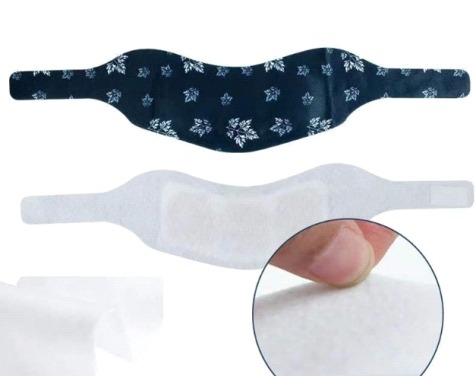
A healthcare or care-product substrate must be defined by its role and intended contact before material properties or safety claims are discussed. A patch carrier, heated care-product layer or another substrate can have different processing and contact requirements. A brochure’s “medical” or “skin-friendly” wording does not establish a finished-product approval.
Explore