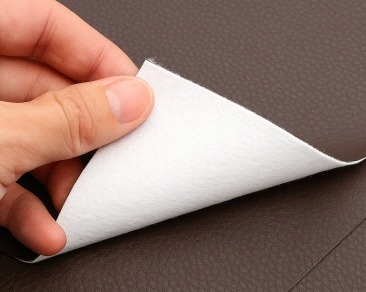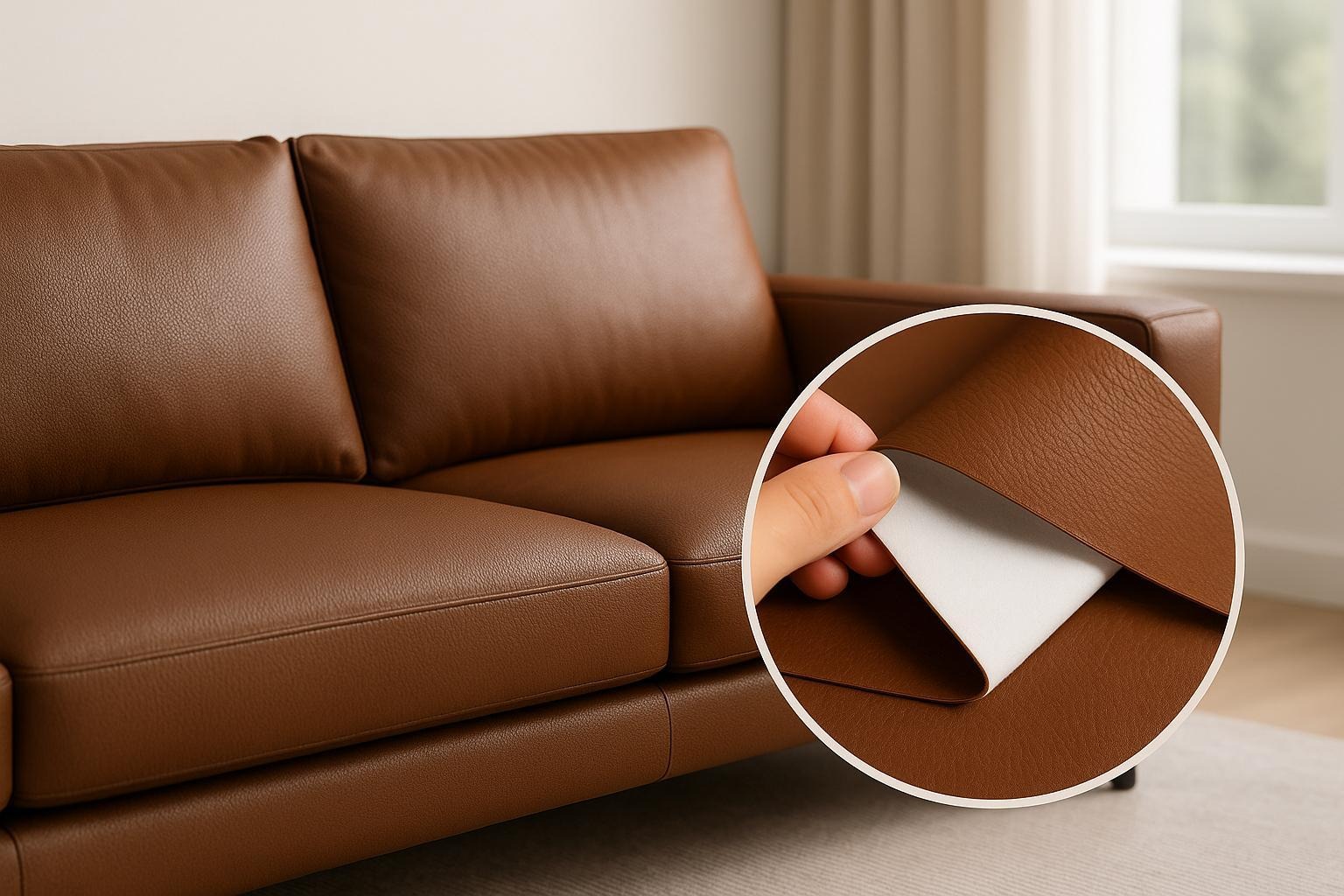
Choose a synthetic-leather base fabric by how it performs in the intended coating or lamination route, not by uncoated tensile strength alone. Identify the chemistry, processing conditions and finished-layer requirements, then evaluate a representative coated composite. A strong raw fabric is not automatically a qualified base for every PU, PVC or TPU construction.
Which process details make the enquiry specific?
Name the intended coating or laminating system and whether the route is wet or dry where relevant. Identify the component or finished use, the required surface and the known process conditions that can be shared. The supplied base-fabric literature lists multiple potential chemistries, but that range is not proof that a single construction works in all of them.
State the offered base-fabric construction, thickness and uniformity expectations. Define which face is coated and what the converter needs from the incoming roll.
What should a coated trial examine?
Choose the actual decision questions with the converter: coating appearance and pickup, surface uniformity, bonding or peel, and the finished durability properties required by the buyer. Keep the base sample ID, coating formulation reference and relevant processing conditions together.
A result on a finished composite should identify the composite rather than being relabelled as an intrinsic property of the bare fabric. Conversely, an uncoated tensile result does not answer a coating-adhesion question.
How do you investigate delamination or inconsistent appearance?
Record the failure location, direction, process conditions and sample identities before assigning a cause. Compare the substrate and process variables that actually changed. A layer separating in a trial is an observation; saying “the base fabric caused it” requires further evidence.
Ask for the applicable method and endpoint behind durability claims. A brochure reference to “DIN” without a complete test designation and conditions cannot establish an unconditional abrasion-cycle guarantee.
Example: isolate the trial’s actual conclusion
A new base produces an acceptable coating appearance but no peel or flex evaluation has yet been completed. Record the appearance decision and the remaining questions separately. Do not write “approved synthetic-leather substrate” if the buyer has only assessed one visible characteristic.
Next step
Provide the coating route and finished-use requirements for a synthetic-leather and footwear substrate enquiry. Keep the sample development record linked to each coated trial.
Frequently asked questions (FAQ)
Can a tensile report replace a peel result?
No. Tensile and peel describe different questions and test objects. Identify the required evaluation for the coated system rather than substituting a stronger raw-fabric figure.
Does a PU-compatible description cover every PU process?
It does not establish universal compatibility. Supply the intended formulation and process information needed for an appropriate converter trial.
What if a report gives only an abrasion cycle number?
Request the complete method, specimen construction, conditions and endpoint. A cycle count without those details cannot support a fair comparison.
Should a failed coating trial immediately reject the fabric?
First document the failure and identify the process and substrate variables. Follow the buyer’s investigation and acceptance process rather than assigning an unverified single cause.
What should the converter keep constant when comparing two base fabrics?
Agree which process inputs are controlled and which material variables are being compared. Record the formulation reference, relevant conditions and specimen identities. If several inputs change together, the result cannot automatically be attributed to the fabric alone.
Does a successful peel trial establish finished-leather flex durability?
No. It answers the evaluated bonding question under its stated conditions. Identify the additional finished-use properties and tests required by the customer instead of extending a peel result to every durability claim.
Source & applicability
Supplier literature supports this selection brief. Reference ranges do not establish an approved grade, certification or tested system performance.