
Transport & Civil Infrastructure
Define the layer position, subgrade, drainage and installation demands before choosing a geotextile.
2 application routes
Choose an application ↗Find a relevant application, review its technical inputs and explore related product families. These are selection briefs, not claims of completed projects.
Define the layer position, subgrade, drainage and installation demands before choosing a geotextile.
2 application routes
Choose an application ↗Separate containment, filter protection, erosion control and concrete-filled formwork tasks.
7 application routes
Choose an application ↗Review the nonwoven liner as one component of a filled barrier system.
2 application routes
Choose an application ↗Start with the finished component, forming process and required evidence.
1 application routes
Choose an application ↗Distinguish support panels, furniture base fabrics and pocket-spring fabrics.
2 application routes
Choose an application ↗Follow the substrate through coating, impregnation, forming and finished-component trials.
3 application routes
Choose an application ↗Separate air pre-filtration, dust collection and liquid pre-filtration requirements.
3 application routes
Choose an application ↗Choose the finished use before specifying a cleaning, apparel, packaging, nursery or functional substrate.
6 application routes
Choose an application ↗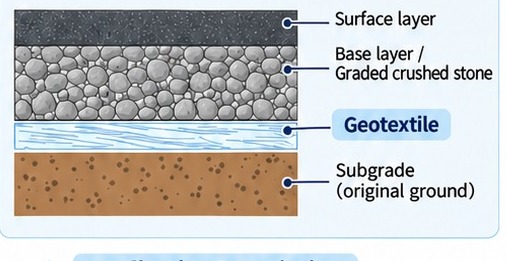
Keep granular layers separated from the subgrade while addressing filtration and construction damage.
Explore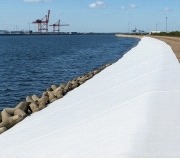
Define whether the task is liquid containment, filter protection, surface erosion control or a combination.
Explore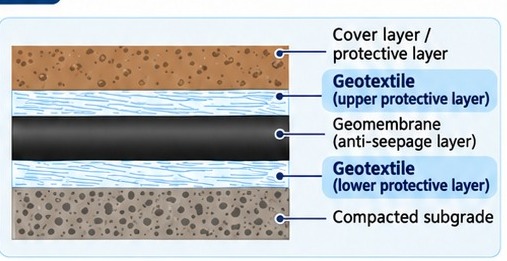
Separate barrier performance, mechanical protection and drainage in waste or mining systems.
Explore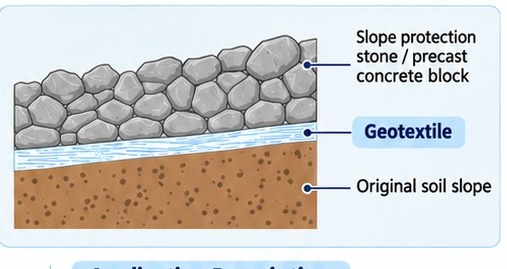
Choose the protection system around erosion, hydraulic conditions and slope stability.
Explore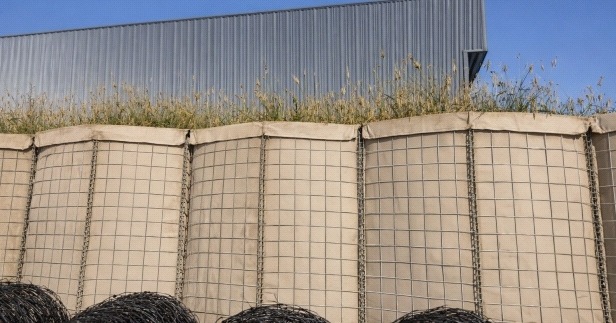
Retain the specified fill while balancing drainage, abrasion and exposure.
Explore
Match support, acoustic or thermal layers to the actual vehicle component and production line.
Explore
Separate hard support, dust-cover and spring-wrapping duties before selecting material.
Explore
Choose the coating base or support component before comparing specifications.
Explore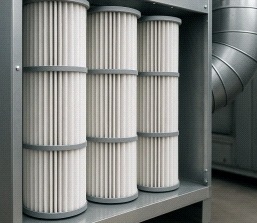
Define the medium and operating conditions before selecting pore structure and material.
Explore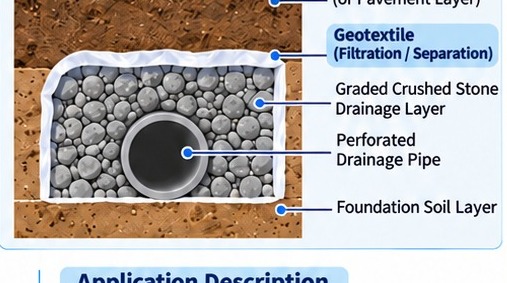
Limit migration of fine soil into granular drainage and perforated-pipe systems.
Explore
Identify a liner construction compatible with pond geometry, water quality and maintenance.
Explore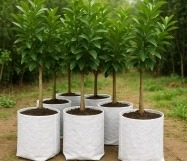
Use a filled-bag configuration with compatible planting media and surface protection.
Explore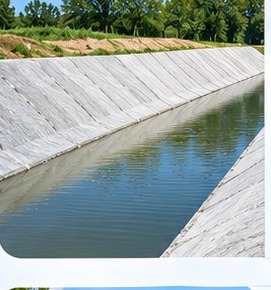
Review an installable mat together with hydration, curing and hydraulic exposure.
ExplorePlan textile formwork geometry and controlled filling for the specified revetment.
Explore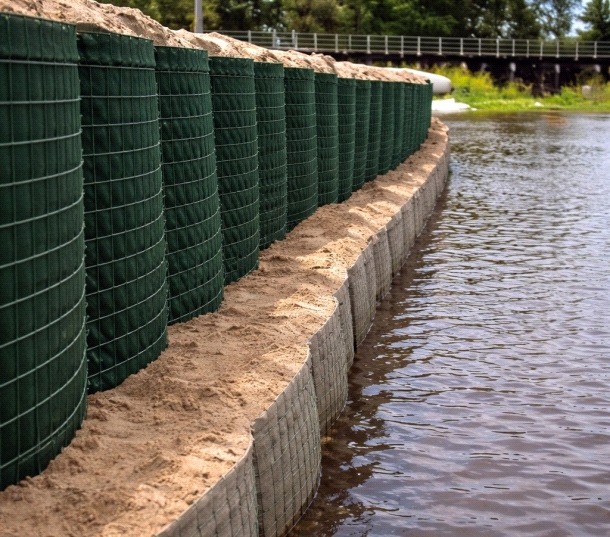
Review fill retention, drainage and installation logistics for a filled barrier proposal.
Explore
Coordinate fabric feed, wrapping and seam integrity with spring assembly production.
Explore
Support consistent coating and bonding with the chosen substrate and process.
Explore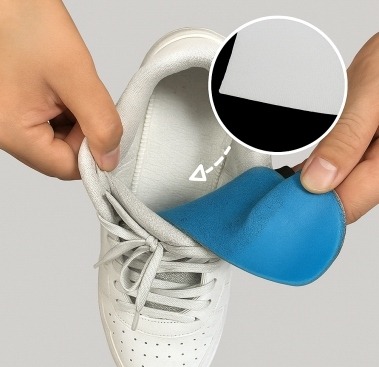
Balance flexible shaping or higher stiffness for the defined shoe component.
Explore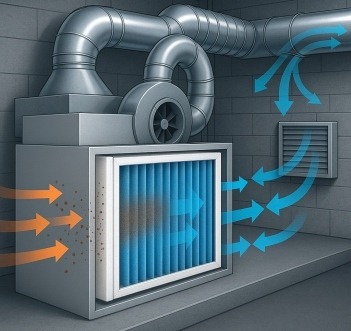
Review capture, flow resistance and dust loading using the same operating basis.
Explore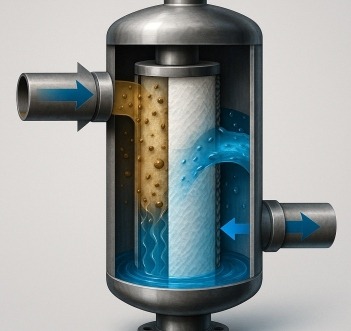
Review material compatibility and retention for the actual liquid.
Explore
Support garment shape while preserving required drape and process compatibility.
Explore
Match liquid pickup, low-lint expectations and durability to the wiping surface.
Explore
Define bag function and repeat use before choosing fabric, print and seams.
Explore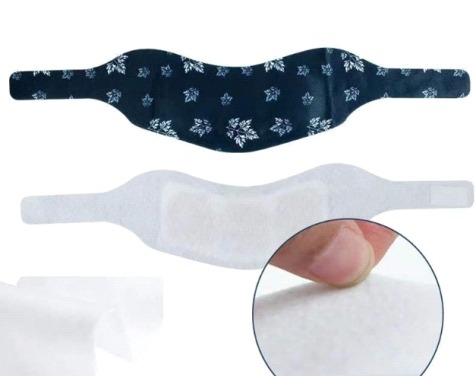
Define the finished care product and evidence needed for its intended contact.
Explore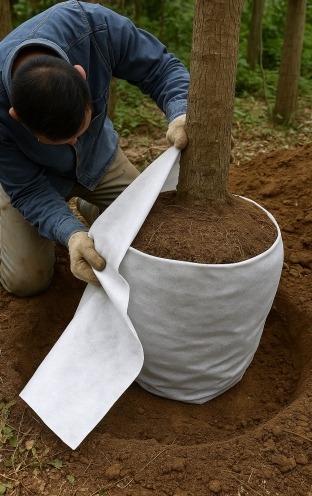
Distinguish long cultivation from short-term digging and transport protection.
Explore
Start from one defined performance requirement and evaluate combinations.
ExploreProject specifications, converting requirements or a reference sample.