
Synthetic Leather Base Fabric
Choose a needle-punched base fabric for the intended synthetic-leather coating process. Review surface consistency, absorption, thickness and coating adhesion through a representative converting trial.
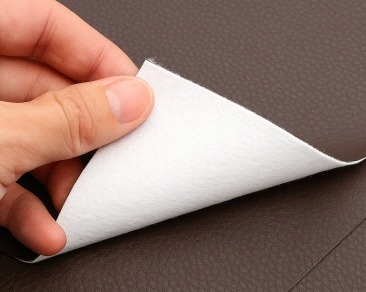
Supplied brochure image. Material / use reference; confirm the offered configuration.
| Construction | PET or PP staple-fiber needle-punched substrate; confirm blend for the coating system |
|---|---|
| Supply / process | Needle punching and heat setting before PU, PVC or TPU coating/lamination |
| Intended uses | Footwear leather, furniture leather, automotive trim, luggage and apparel leather |
| Commercial model | Not established in the supplied literature; confirm the offered grade |
| Data status | Brochure references; not guaranteed values or batch test results |
Catalogue references are not guaranteed performance values. Confirm the offered grade, test methods and supply responsibilities in the quotation.
Product type / configuration, not an approved commercial model code. Confirm the offered identifier and specification before ordering.
Supplier literature: specification inputs
These are stated brochure ranges for preliminary review, not a guaranteed combination or an approved commercial model. Confirm the selected construction, tolerances, test method and acceptance criteria.
| Property / configuration | Literature reference |
|---|---|
| Mass | 80–600 g/m² |
| Thickness | 0.3–1.5 mm |
| Width | 0.5–3.5 m |
| Peel reference | ≥3.5 N/25 mm; coating and test details required |
| Abrasion claim | ≥30000 cycles; source only says DIN, method unresolved |
Material and construction
PET or PP staple-fiber needle-punched substrate; confirm blend for the coating system.
The material is selected for footwear leather, furniture leather, automotive trim, luggage and apparel leather. Define the component or system position first, then use the selection and evidence requirements on this page to prepare a comparable enquiry.
Applications and material position
Footwear leather, furniture leather, automotive trim, luggage and apparel leather.
Identify the PU, PVC or TPU coating or lamination system and the finished leather use. The substrate has to work with that formulation and process, not simply match a roll weight.
What changes the selection
Trial the substrate with the intended coating, thermal exposure and finishing sequence. Assess peel and abrasion on the defined specimen; results for a coated composite cannot be assigned to every uncoated substrate or coating recipe.
Processing and supply configuration
Needle punching and heat setting before PU, PVC or TPU coating/lamination.
Agree the supplied format, dimensions, tolerances, identification and packaging around the actual converting or installation sequence. Use a representative sample to confirm the proposed construction before recording it as the accepted material for the order.
Reference dimensions and configuration
The supplied literature provides the following preliminary inputs: Mass: 80–600 g/m²; Thickness: 0.3–1.5 mm; Width: 0.5–3.5 m; Peel reference: ≥3.5 N/25 mm; coating and test details required; Abrasion claim: ≥30000 cycles; source only says DIN, method unresolved.
Confirm the offered construction and applicable range before ordering. These entries are not a promise that every listed value can be supplied together.
Performance review and acceptance
Surface uniformity, thickness, peel after the selected coating process and specified abrasion/flex tests. Request the applicable method, specimen direction, conditioning and test scope. A published reference range is different from a measured sample result.
Keep the proposed material identifier, specimen preparation and acceptance basis with the result so that procurement can compare like with like.
Applicability and limitations
The coating formulation and composite process affect results. Do not transfer abrasion or peel claims to every substrate or present REACH compliance without applicable documentation.
Sampling and procurement brief
Include the following in your enquiry: coating chemistry; coating or lamination route; target thickness and mass; absorption and surface requirements; heat cycle; peel test; end-use component.
Start with the conditions you know; mark the unknown values for review. Use the related application and product-type links on this page to refine the requirement, then send a material-specific brief. Sample approval, packing, available supply format, quantity and delivery timing are confirmed for the proposed order.
Source & applicability
Supplier literature supports this selection brief. Reference ranges do not establish an approved grade, certification or tested system performance.
Commercial grade & specification
This page describes a material family or construction type. The offered commercial model and applicable specification are confirmed for the proposed order.
Prepare the grade requirements ↗Technical documents
Review the selection checklist or request documents for the proposed grade. Public checklists are not test reports.
View selection checklist ↗ Find related documents ↗Explore related applications
Before you buy
OEM Sampling: From a Traceable Brief to an Approved Specification
An OEM nonwoven sample is useful when it represents a defined component and a decision the buyer needs to make. OEM means original equipment manufacturer. Start a development request with the finished use and converting process, then identify the candidate sample and the evidence required to move it forward. Sending an unlabelled swatch without that context rarely creates a comparable approval record.
ExploreLeather Substrate Trials: Coating Adhesion Before Generic Strength
Choose a synthetic-leather base fabric by how it performs in the intended coating or lamination route, not by uncoated tensile strength alone. Identify the chemistry, processing conditions and finished-layer requirements, then evaluate a representative coated composite. A strong raw fabric is not automatically a qualified base for every PU, PVC or TPU construction.
Explore