Cementitious Geosynthetic Mats
Review cementitious geosynthetic mats for channel lining and surface erosion protection. Compare thickness and backing options alongside hydration, curing, jointing and anchorage requirements.
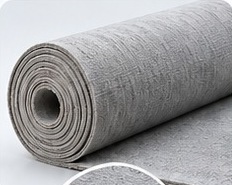
Supplied brochure image. Material / use reference; confirm the offered configuration.
| Construction | Fiber surface, cementitious material, reinforcement and a backing configured for the product |
|---|---|
| Supply / process | Flexible roll before hydration; water hydration followed by controlled curing |
| Intended uses | Canal lining, surface erosion protection, drainage channels and selected infrastructure protection |
| Commercial model | Not established in the supplied literature; confirm the offered grade |
| Data status | Brochure references; not guaranteed values or batch test results |
Catalogue references are not guaranteed performance values. Confirm the offered grade, test methods and supply responsibilities in the quotation.
Supplier literature: specification inputs
These are stated brochure ranges for preliminary review, not a guaranteed combination or an approved commercial model. Confirm the selected construction, tolerances, test method and acceptance criteria.
| Property / configuration | Literature reference |
|---|---|
| Reference thicknesses | 5 / 8 / 13 mm; thickness options, not approved model codes |
| Reference dry mass | 5–15 kg/m², structure dependent |
| Width / roll length | 1.0–3.0 m / 5–20 m reference |
| 5 mm reference | Approximately 5–7 kg/m² |
| 8 mm reference | Approximately 8–12 kg/m² |
| 13 mm reference | Approximately 12–15 kg/m² |
Material and construction
Fiber surface, cementitious material, reinforcement and a backing configured for the product.
The material is selected for canal lining, surface erosion protection, drainage channels and selected infrastructure protection. Define the component or system position first, then use the selection and evidence requirements on this page to prepare a comparable enquiry.
Applications and material position
Canal lining, surface erosion protection, drainage channels and selected infrastructure protection.
Start with the surface geometry, water exposure and installation access. This material is placed as a flexible roll and hydrated on site; the substrate and joint design must suit that sequence.
What changes the selection
Assess the proposed construction with the intended water supply, hydration procedure and curing conditions. Request results at the stated hydrated age. A surface that feels set does not prove that the cementitious layer is fully hydrated or has reached the required performance.
Processing and supply configuration
Flexible roll before hydration; water hydration followed by controlled curing.
Agree the supplied format, dimensions, tolerances, identification and packaging around the actual converting or installation sequence. Use a representative sample to confirm the proposed construction before recording it as the accepted material for the order.
Reference dimensions and configuration
The supplied literature provides the following preliminary inputs: Reference thicknesses: 5 / 8 / 13 mm; thickness options, not approved model codes; Reference dry mass: 5–15 kg/m², structure dependent; Width / roll length: 1.0–3.0 m / 5–20 m reference; 5 mm reference: Approximately 5–7 kg/m²; 8 mm reference: Approximately 8–12 kg/m²; 13 mm reference: Approximately 12–15 kg/m².
Confirm the offered construction and applicable range before ordering. These entries are not a promise that every listed value can be supplied together.
Performance review and acceptance
Construction and mass, hydrated test age, tensile, compressive/flexural properties, seepage and scour where required. Request the applicable method, specimen direction, conditioning and test scope. A published reference range is different from a measured sample result.
Keep the proposed material identifier, specimen preparation and acceptance basis with the result so that procurement can compare like with like.
Applicability and limitations
No numerical compressive, flexural, permeability or scour report is supplied here. Surface setting is not proof of complete hydration or final strength. Do not describe every backing configuration as an independently verified impermeable liner.
Sampling and procurement brief
Include the following in your enquiry: channel or slope geometry; exposure and flow conditions; proposed thickness; backing requirement; water supply; hydration and curing plan; joints and anchorage.
Start with the conditions you know; mark the unknown values for review. Use the related application and product-type links on this page to refine the requirement, then send a material-specific brief. Sample approval, packing, available supply format, quantity and delivery timing are confirmed for the proposed order.
Source & applicability
Supplier literature supports this selection brief. Reference ranges do not establish an approved grade, certification or tested system performance.
Commercial grade & specification
This page describes a material family or construction type. The offered commercial model and applicable specification are confirmed for the proposed order.
Prepare the grade requirements ↗Technical documents
Review the selection checklist or request documents for the proposed grade. Public checklists are not test reports.
View selection checklist ↗ Find related documents ↗Explore related applications
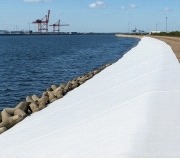
Water Storage & Canal Systems
Define whether the task is liquid containment, filter protection, surface erosion control or a combination.
Explore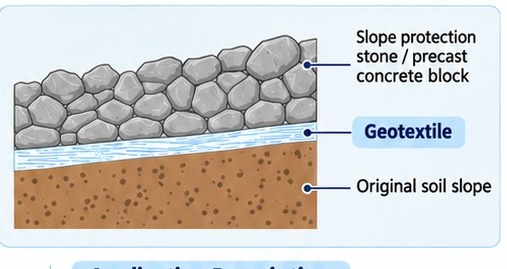
Slopes, Riverbanks & Coastal Protection
Choose the protection system around erosion, hydraulic conditions and slope stability.
Explore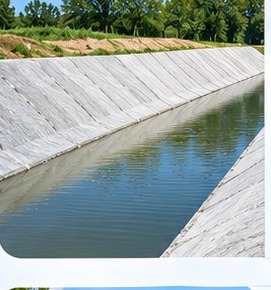
Cementitious Mats for Channel Protection
Review an installable mat together with hydration, curing and hydraulic exposure.
ExploreBefore you buy
Cementitious Mat Procurement: Specify the Site Before Thickness
A cementitious mat enquiry should begin with the site and the intended protection task, then move to the proposed thickness and delivery configuration. A thickness label does not establish hydraulic performance, impermeability, anchorage or the conditions needed for installation. The following brief helps a buyer obtain a reviewable offer rather than a catalogue-only price.
ExploreHydration Is Not Just Surface Setting: What to Confirm
For a cementitious mat, wetting the visible surface, initial setting, internal hydration and later strength development are not the same observation. Procurement and site planning should identify the applicable product instructions, water provision, environmental conditions and the point at which a specified result will be assessed. This guide explains what to confirm; it is not a hydration recipe.
Explore