GEOSYNTHETICS · TECHNICAL NONWOVENS
BUYER GUIDE

A Sample Test Report Is Different from a Brochure Range

A sample test report describes the specimen and tests identified in that report.

A sample test report describes the specimen and tests identified in that report. A brochure describes a product family or claimed capability. Procurement needs both context and traceability: identify what was tested, what is being offered and which project requirements the evidence actually answers. Neither a laboratory logo nor a strong result fills in missing scope.

What should be read before the result number?

Start with the specimen description, sample identification, report number, dates, test method, conditioning and units. Confirm the property and direction being reported. A result has meaning within those conditions; removing them can turn a limited observation into a misleading product claim.

For the supplied protective-material report, the UV entry is an 84-hour test. A separate brochure reference to a longer exposure cannot be established by renaming that result. The report and brochure must remain distinct records.

How is the tested specimen connected to the quotation?

Ask the supplier to identify the relationship between the tested sample and the proposed grade, construction or batch. A description that resembles the quoted material is a starting point for checking, not a complete traceability chain. If manufacturer naming, sample descriptions or revisions are inconsistent, preserve the discrepancy and request clarification.

Do not claim that every catalogue variant is covered by one specimen. State which properties and sample identity the available report supports and which questions still need evidence.

How can procurement record evidence gaps without misrepresenting the offer?

Use a requirement-to-evidence schedule: property required, offered product, supporting document and unresolved item. Classify a brochure range as a reference and a sample result as a result; do not silently promote either to a universal guarantee.

Where authenticity or applicability matters, the responsible purchaser can request confirmation through the appropriate issuer or supplier process. This editorial review does not authenticate a laboratory document or provide an accredited technical approval.

Example: different test durations are not interchangeable

A buyer receives a brochure mentioning one exposure duration and a report with a shorter, expressly identified test. The correct record keeps both durations and asks for the evidence supporting the offered requirement. Changing the report caption, omitting its duration or quoting only the retention percentage would hide the actual gap.

Next step

Use the evidence schedule alongside liner product information and the technical file version guide.

Frequently asked questions (FAQ)

Does a laboratory accreditation mark certify the manufacturer?

Not by itself. Read what the document and mark refer to. A report concerning a specimen is not automatically a manufacturer certification or approval for every product.

Can a brochure range be used as a batch certificate?

No. Request the actual agreed delivery or batch evidence where the purchase requires it. A family range does not identify what was measured on that shipment.

What if the company name is spelled differently?

Record the exact names and ask for the link between the report entity, tested specimen and offered supplier. Do not correct the discrepancy silently or assume it is immaterial.

Does a durability retention result supply missing tensile strength?

No. Identify the property and test scope actually reported. A retained-percentage result does not fill an unrelated missing initial property or a complete-system test.

What if the report specimen does not match the quoted material description?

Record the mismatch and request the documented relationship or appropriate evidence for the offer. Do not silently rename the specimen or assume that a similar material name establishes coverage.

Should procurement verify a report’s issue and completeness?

Check that the document includes its identifying details, relevant pages and stated conditions. Where authenticity or applicability is material to the decision, use the appropriate issuer or supplier verification process; an editorial reading alone does not authenticate it.

Source & applicability

Supplier literature supports this selection brief. Reference ranges do not establish an approved grade, certification or tested system performance.


Application context

Roads & Railways — brochure application reference
Application brief

Roads & Railways

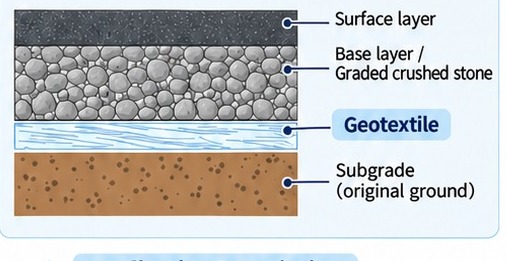
Keep granular layers separated from the subgrade while addressing filtration and construction damage.

Explore
Water Storage & Canal Systems — brochure application reference
Application brief

Water Storage & Canal Systems

Define whether the task is liquid containment, filter protection, surface erosion control or a combination.

Explore
Mining & Environmental Containment — brochure application reference
Application brief

Mining & Environmental Containment

Separate barrier performance, mechanical protection and drainage in waste or mining systems.

Explore
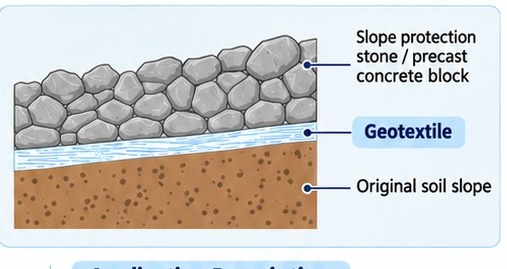
Slopes, Riverbanks & Coastal Protection — brochure application reference
Application brief

Slopes, Riverbanks & Coastal Protection

Choose the protection system around erosion, hydraulic conditions and slope stability.

Explore
Protective Barrier Liner Materials — brochure application reference
Application brief

Protective Barrier Liner Materials

Retain the specified fill while balancing drainage, abrasion and exposure.

Explore
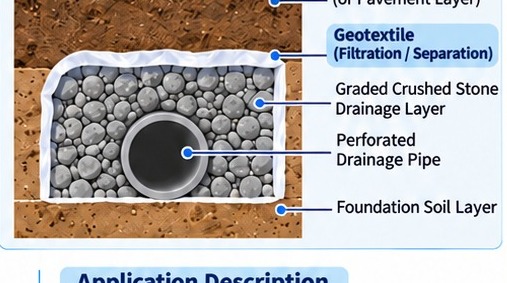
Municipal & Subsoil Drainage — brochure application reference
Application brief

Municipal & Subsoil Drainage

Limit migration of fine soil into granular drainage and perforated-pipe systems.

Explore
Aquaculture & Landscape Water Storage — brochure application reference
Application brief

Aquaculture & Landscape Water Storage

Identify a liner construction compatible with pond geometry, water quality and maintenance.

Explore
Geobags for Ecological Restoration — brochure application reference
Application brief

Geobags for Ecological Restoration

Use a filled-bag configuration with compatible planting media and surface protection.

Explore
09 / APPLICATION
Application brief

Concrete-Filled Fabric Formwork for Revetments

Plan textile formwork geometry and controlled filling for the specified revetment.

Explore
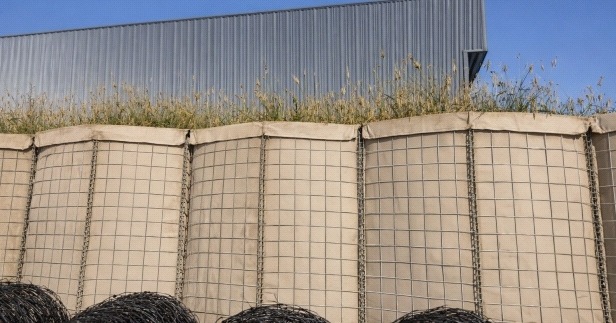
Liners for Emergency Flood Barrier Development — brochure application reference
Application brief

Liners for Emergency Flood Barrier Development

Review fill retention, drainage and installation logistics for a filled barrier proposal.

Explore

Continue your review

01 / BUYING GUIDE
Technical resources

PET or PP Geotextile: Define the Environment Before the Polymer

Choose PET or PP geotextile against the contact environment and the required function, not the polymer name alone. PET means polyester and PP means polypropylene. Neither label identifies the complete finished-fabric specification. For a purchasing decision, separate the chemistry question from hydraulic and mechanical qualification: a material considered suitable for the exposure still needs evidence for its separation, filtration or protection duty.

Explore
02 / BUYING GUIDE
Technical resources

Reading a Geotextile Table: Strength, Puncture, Opening Size and Flow

Read a geotextile table as a set of separate answers: mass and thickness describe aspects of construction; tensile and puncture address different mechanical questions; opening size and flow data address different hydraulic questions. A purchasing decision should match each required property to its method, units, value basis and offered grade. A single mass or strength number cannot replace that schedule.

Explore
03 / BUYING GUIDE
Technical resources

Protecting a Geomembrane: Below, Above or Both Sides

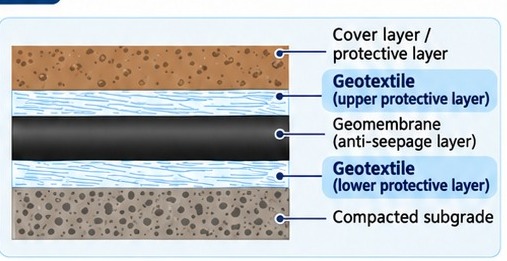
Identify the contact being protected before deciding whether a geomembrane needs geotextile below, above or on both sides. A lower layer and an upper layer can address different damage exposures. Their positions, constructions and acceptance basis should follow the lining-system design; fabric weight alone cannot approve the protection arrangement.

Explore
04 / BUYING GUIDE
Technical resources

Protective Liner Selection: Fill, Abrasion, Drainage and Deployment

Select a nonwoven liner for a filled protective barrier by identifying the module, fill, contact conditions and deployment period. A material-strength headline cannot establish the performance of the assembled barrier. Separate the fabric and fabricated-liner requirements from the system designer’s protection claims, and make the supplied format part of the enquiry.

Explore
05 / BUYING GUIDE
Technical resources

Technical File Versions: What Procurement and Quality Teams Should Check

A filename containing “Final,” “edited” or a date does not establish an approved specification revision. Compare the changed content, the product scope and the actual approval information. The purchasing record should identify one applicable version without erasing older files or selecting favourable numbers from incompatible documents.

Explore
START WITH THE REQUIREMENT

Bring us your material brief.

Project specifications, converting requirements or a reference sample.

Start an inquiry ↗