Select a nonwoven liner for a filled protective barrier by identifying the module, fill, contact conditions and deployment period. A material-strength headline cannot establish the performance of the assembled barrier. Separate the fabric and fabricated-liner requirements from the system designer’s protection claims, and make the supplied format part of the enquiry.
Which contacts and operating conditions matter to the brief?
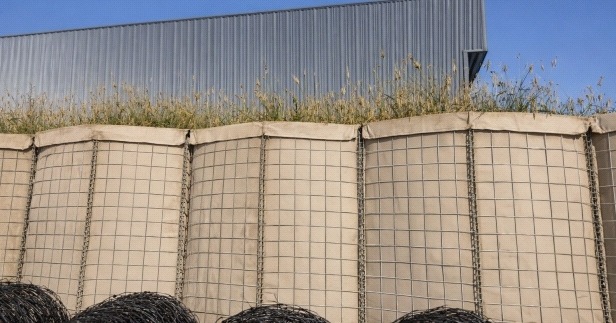
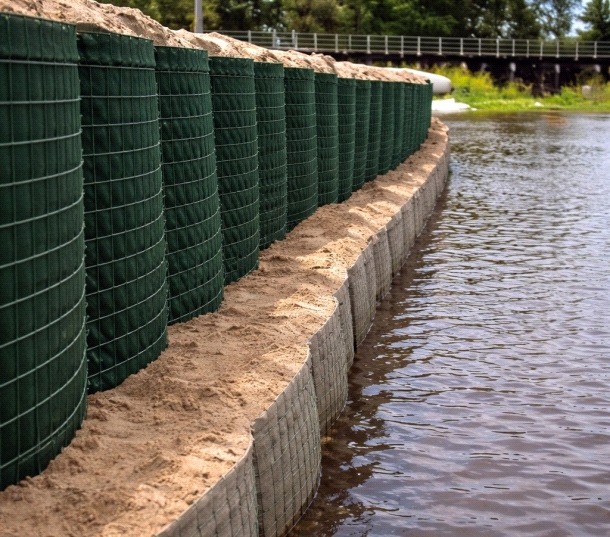
Describe the module geometry, mesh or frame contact, fill type and particle shape, filling method and the intended exposure period. A liner touching angular aggregate can present a different assessment from one used with a different fill; the required evaluation should be defined for the actual system.
The supplied liner literature discusses abrasion, tearing, puncture, drainage and durability. Those are separate questions, not interchangeable names for one tensile result. Record which of them the customer requires and what evidence is available.
How do you specify the material and fabricated format?
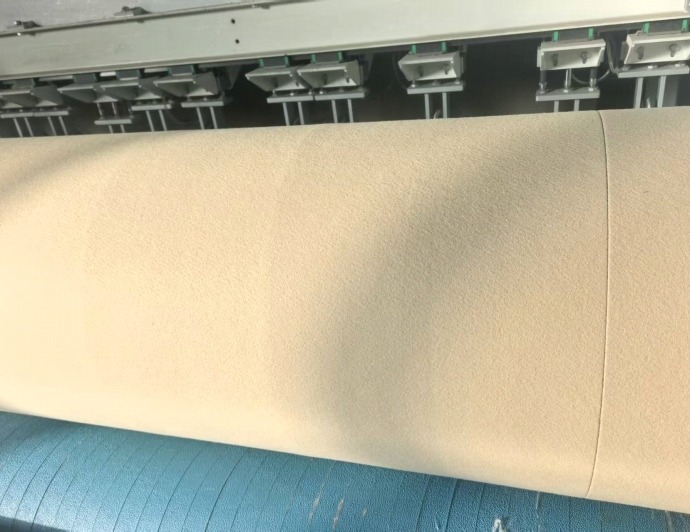
Identify whether the order is for roll goods, precut pieces or sewn components. Add dimensions, direction where relevant, seam requirements and the interface with assembly. Ask for the proposed grade and a specification that can be linked to the offered sample.
Several supplied technical-document versions contain different tensile and UV passages. Do not choose the highest value from each or infer a valid approval sequence from filenames. Resolve the applicable product and revision before treating the table as an order specification.
What belongs to the fabric and what belongs to the complete barrier?
Fabric and seam evidence supports defined material questions. Filling behaviour, assembly and any complete-system protection rating require evidence for the relevant system and conditions. A material brochure must not be presented as a blast or ballistic-system certification.
Ask the system manufacturer which component tests and assembly checks are required when a liner supplier changes. Preserve those responsibilities so a material quote is not misrepresented as approval for the entire barrier.
Illustrative comparison: roll supply versus sewn supply
One offer covers fabric rolls; another covers pieces sewn for a specified module. Compare their material evidence, fabrication scope and assembly requirements separately. A lower roll price is not a direct comparison with a fabricated component unless the remaining cutting, joining and acceptance work is identified.
Next step
Provide the module drawing and fill/exposure brief for high-toughness liner rolls. Review the sample-report boundary before using a document in an approval package.
Frequently asked questions (FAQ)
Does high tensile strength establish resistance to every fill?
No. Ask which tear, puncture, abrasion and contact evaluations are relevant to the actual fill and module. A tensile figure answers a different question.
Can a material report be described as a system blast approval?
No. Keep the tested object and stated scope visible. Do not extend fabric testing to a complete barrier protection level without the corresponding system evidence.
Can accelerated UV hours be converted directly into outdoor years?
No direct conversion is established here. Request the exposure conditions and retained-property results, then have the responsible technical contact assess the intended deployment.
What should be checked when switching liner suppliers?
Identify the proposed construction, sample, seams and format, and obtain the system maker’s required verification process. Do not assume visual similarity or matching mass approves the change.
Can matching mass per area make two barrier liners interchangeable?
No. Compare the required fabric properties, dimensions, seams, format and relevant fill/exposure conditions. Equal mass does not establish the same puncture, tear, abrasion or assembly behaviour for the actual system.
Who should confirm a liner change in a proprietary barrier module?
Identify the system manufacturer’s or project’s authorised decision process. A fabric supplier can describe its offered material and evidence, but should not be represented as approving another party’s complete module or protection rating.
Source & applicability
Supplier literature supports this selection brief. Reference ranges do not establish an approved grade, certification or tested system performance.