
Automotive Interior Components
Start with the finished component, forming process and required evidence.
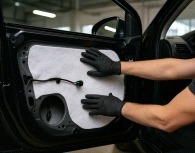
Choose the application position
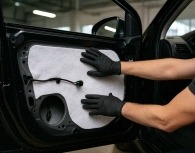
What the buyer needs to decide
Identify the trim location and downstream cutting, forming, lamination or bonding process. Define mass, thickness, handling, acoustic or other target properties and the customer’s test scope; do not infer approved automotive performance from a generic material name.
Build a comparable technical request
Use the application map below to choose the material family, then open the individual product type for construction, reference ranges, limitations and source documents. Record unknown inputs rather than assuming the maximum values form one available grade.
Evidence and supply scope
Request the proposed commercial grade, applicable specification/version, relevant sample or batch evidence, and manufacturing or coordinated supply responsibility. These routes describe procurement contexts, not verified customer projects or universal suitability.
Source & applicability
Supplier literature supports this selection brief. Reference ranges do not establish an approved grade, certification or tested system performance.
Check the material against the application
| Application | Buyer’s task | Candidate materials | Conditions to define |
|---|---|---|---|
| Automotive Interior Components | Match support, acoustic or thermal layers to the actual vehicle component and production line. | Mass, thickness, stiffness, forming temperature, lamination, odor/VOC and customer safety tests. Record these inputs before using brochure ranges or requesting a comparable offer. |
Explore the related material range
Prepare the evidence and selection package
Editable selection briefs
Fill the inputs you know. A request worksheet is different from a data sheet or test report.
Automotive Needle-Punched Nonwovens brief ↗Released original literature
No original technical file for this platform is currently released for public download. Product pages retain the supplied reference data and source scope.
Browse released technical resources ↗Grade-specific evidence
Request the offered identifier, effective TDS, sample or batch results and permission to share. Certification and complete-system performance require their own evidence.
Request the applicable documents ↗How to review evidence ↗Compare before preparing a request
OEM Sampling: From a Traceable Brief to an Approved Specification
An OEM nonwoven sample is useful when it represents a defined component and a decision the buyer needs to make. OEM means original equipment manufacturer. Start a development request with the finished use and converting process, then identify the candidate sample and the evidence required to move it forward. Sending an unlabelled swatch without that context rarely creates a comparable approval record.
ExploreAutomotive Nonwoven Brief: Component, Forming and Evidence
An automotive nonwoven enquiry needs a component and processing brief before a catalogue property range. Door trim, headliner, carpet and trunk parts do not automatically share the same material requirement. Define the layer’s role and the forming or laminating operation, then identify the customer’s actual performance and approval requirements for that component.
ExploreQuestions buyers ask in this industry
Turn the application into a technical request
Open a product type to review its sources and fill its editable technical brief. Keep unknown values marked for confirmation.
Find and shortlist materials ↗ Discuss this industry requirement ↗